

By Val Matthias. Updated 3:44 p.m., Monday, February 9, 2026, Atlantic Standard Time (GMT-4).
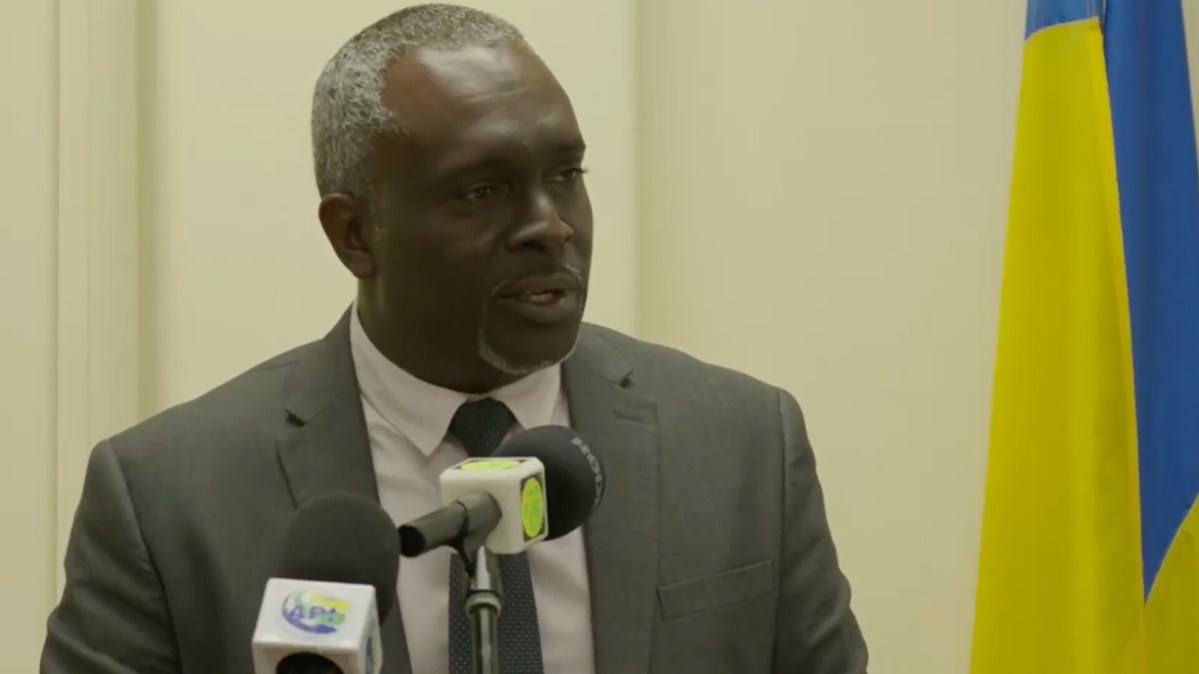
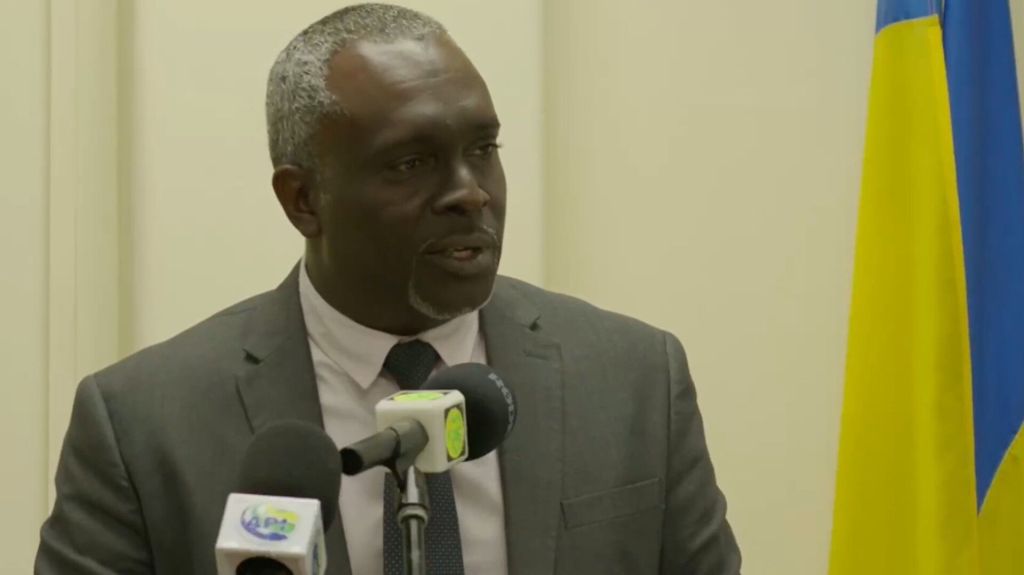
At the official launch of the Winward Islands Sector Transformation for Learning Enhancement (WISTLE) Project, Minister of Education Philip Jackson underscored the urgent need to address gender disparities in education performance across St. Vincent and the Grenadines.
Speaking to stakeholders and development partners, including the World Bank and the Global Partnership for Education (GPE), Minister Jackson revealed that male students consistently lag behind their female counterparts in literacy, numeracy, and secondary school completion rates. Dropout levels among boys, particularly between Forms 3 and 4, remain troubling, with consequences that ripple into poor performance in critical subjects such as English and mathematics.
“Our males are performing way below the females,” Jackson stated. “This project recognizes the gender disparity and is addressing it directly.”

The WISTLE initiative, valued at US$2.5 million for St. Vincent and the Grenadines, will focus on comprehensive technology integration to enhance teaching and learning. Minister Jackson emphasised that technology must serve as a tool for human development, not an end in itself. He highlighted three key areas of intervention, enhanced pedagogical practices at the secondary level, designed to better engage boys and sustain their attention, smart classrooms and digital infrastructure, ensuring interactive, hands on learning rather than traditional “chalk and talk” methods, monitoring and evaluation systems, including student information and human resource management platforms, to generate data that can guide timely interventions.
Jackson stressed that the project’s success depends on empathy and collective responsibility within the education service. He urged teachers and principals to see every child as their own, ensuring that schools provide the best environment for learning regardless of challenges at home.
“If we don’t come back to the model citizen, we run the risk of producing students who are disenfranchised, marginalised, and vulnerable to negative influences,” he said.
The Minister concluded by reminding stakeholders that the WISTLE project is not about technology for its own sake, but about leveraging digital tools to close learning gaps, particularly for boys, and to build a generation of productive, independent, and patriotic citizens.
END



Related News
SVG Tourism Director Outlines Priorities at OECS Sustainable Tourism Consultation
Local charity celebrates 13 years of changing lives across SVG
Barrouallie Whalers Mark One Year Since Ending Orca Hunting