Senator John Rejects “Education Revolution” Label, Calls for Balanced Development
 11 February 2026


By Val Matthias. Updated 4:17 p.m., Wednesday, February 11, 2026, Atlantic Standard Time (GMT-4).
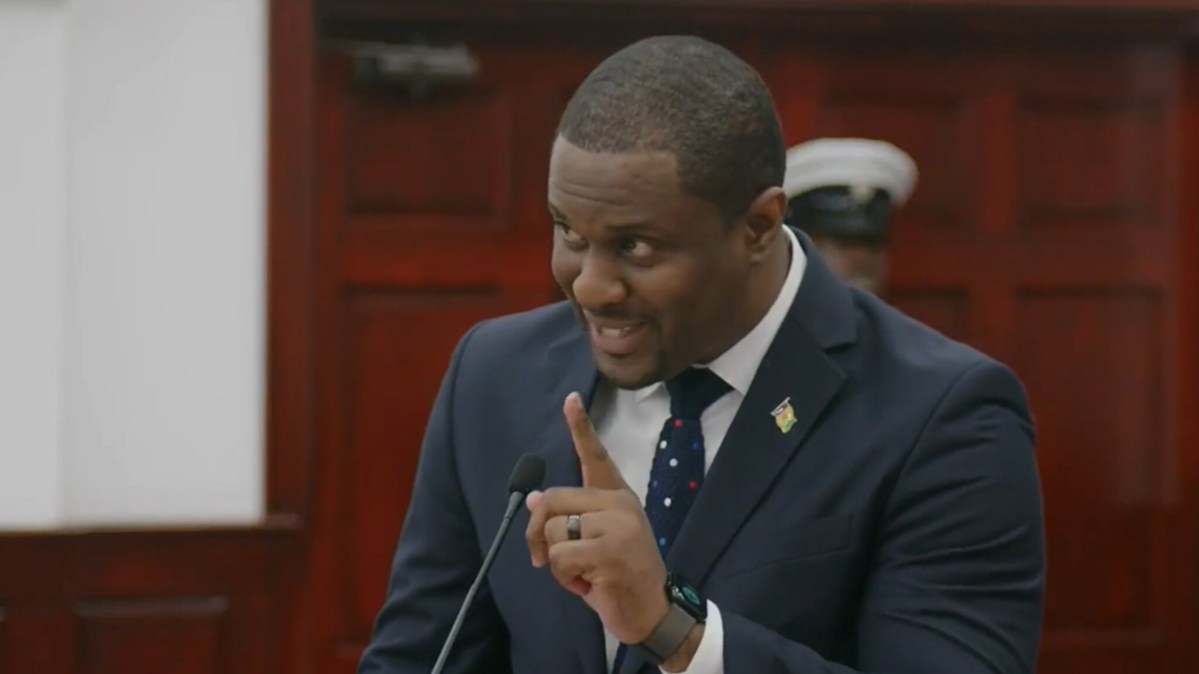
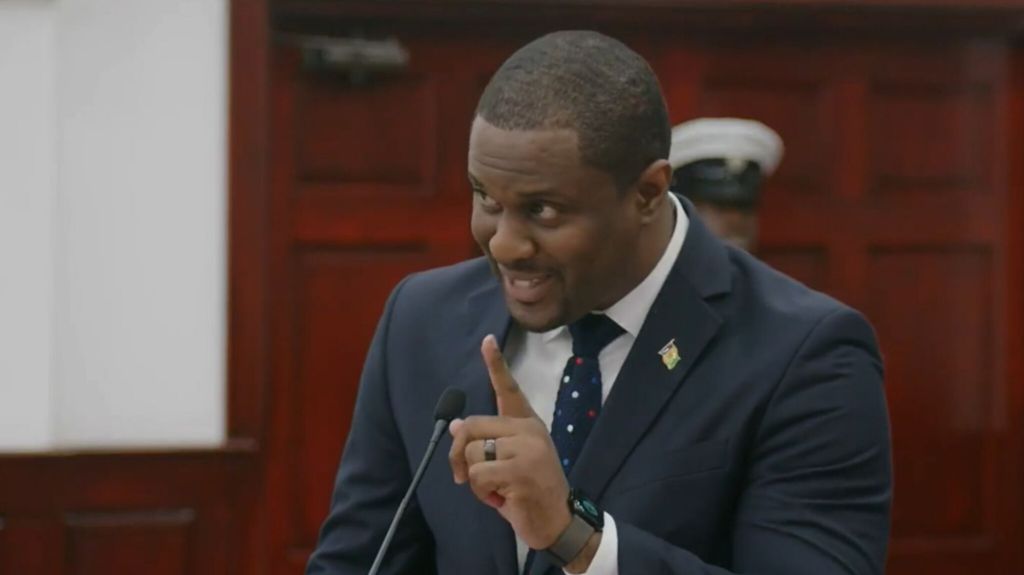
Senator and Deputy Speaker of parliament Jemalie John, used his contribution to the 2026 Budget Debate to challenge prevailing narratives on education and to defend the rights of Grenadines residents against partisan neglect.
John rejected repeated references to himself and other young parliamentarians as “children of the education revolution,” arguing that the phrase is selectively applied.
“Whenever young people do well, they are children of the education revolution. But when they leave school without a single subject, they are orphans, nobody’s children,” he told the parliament.

He recounted his own schooling at the St. Vincent Grammar School in 2002 and the Community College in 2007, noting that opportunities existed before the expansion often credited to the revolution. He publicly thanked his parents for their sacrifices, stressing that family support, not political branding, shaped his educational journey.
The term “Education Revolution” was introduced by Prime Minister Dr. Ralph Gonsalves and the Unity Labour Party (ULP) following their victory in the 2001 general election. It became a central plank of government policy, aimed at expanding access to secondary and tertiary education, increasing scholarships, and modernising infrastructure.
Turning to the Grenadines, John expressed disappointment at opposition claims that the 2026 budget was a “Grenadines budget.”
“People who live in the Grenadines are Vincentians just the same. To neglect them for partisan political reasons for 25 years is unacceptable,” he said.

He argued that the islands are central to the nation’s tourism identity, with destinations like Salt Whistle Bay frequently cited as among the country’s best attractions.
John also commended the government’s effort to diversify the economy, noting lessons from the COVID-19 pandemic. He contrasted this with the previous administration’s heavy reliance on tourism projects such as the Argyle International Airport and hotel investments.
“We can’t put all our eggs in one basket. This budget reflects a positive effort to diversify our economy that will benefit the people of St. Vincent and the Grenadines,” he said.
The 2026 Budget, presented by Prime Minister Dr. Godwin Friday on February 9, totals EC$1.885 billion, a 2% increase over 2025.
END


Related News
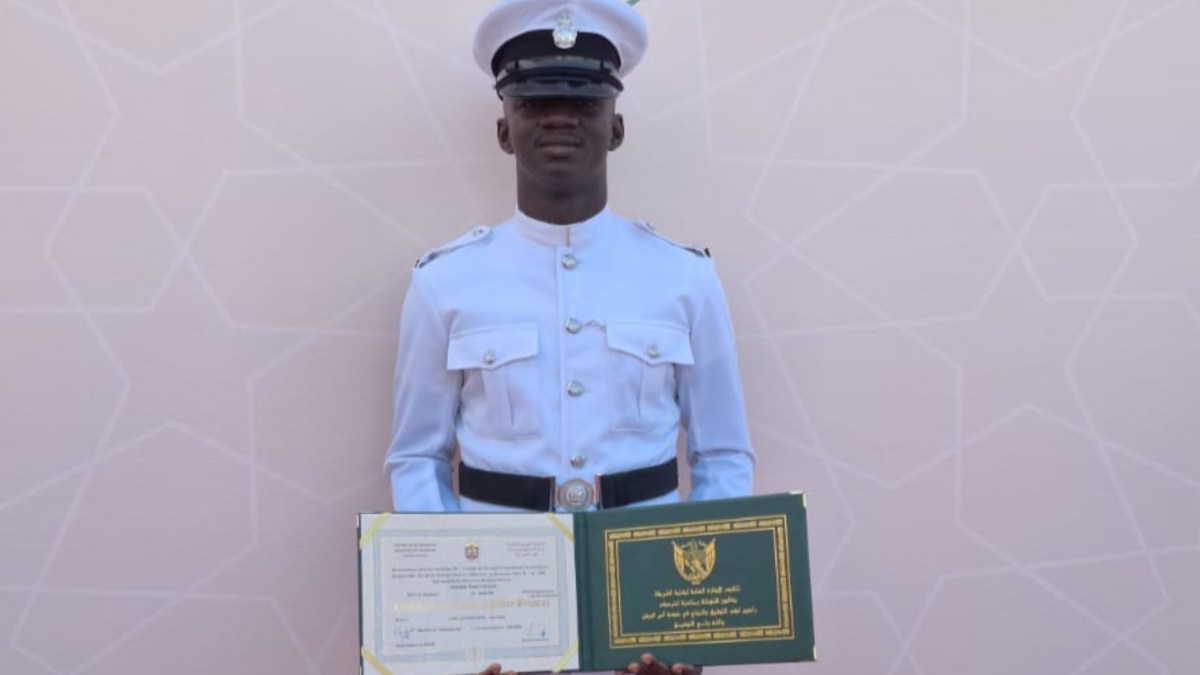
RSVGPF Officer Returns with Public Engagement and Complaints Training
Opposition Questions Cuts to Funded Projects in 2026 Estimates

Police Say No Foul Play Suspected in Death of Woman in Richland Park