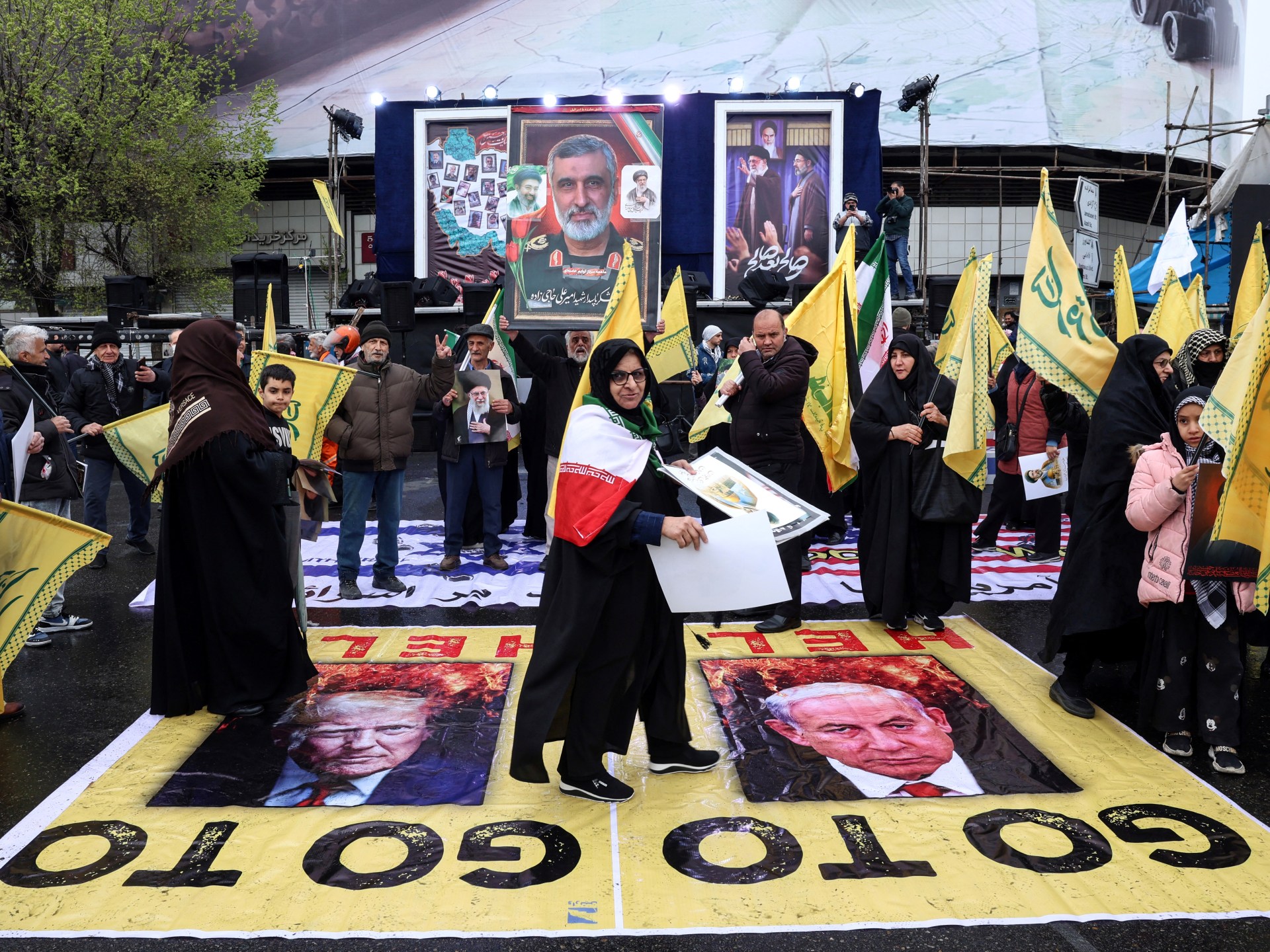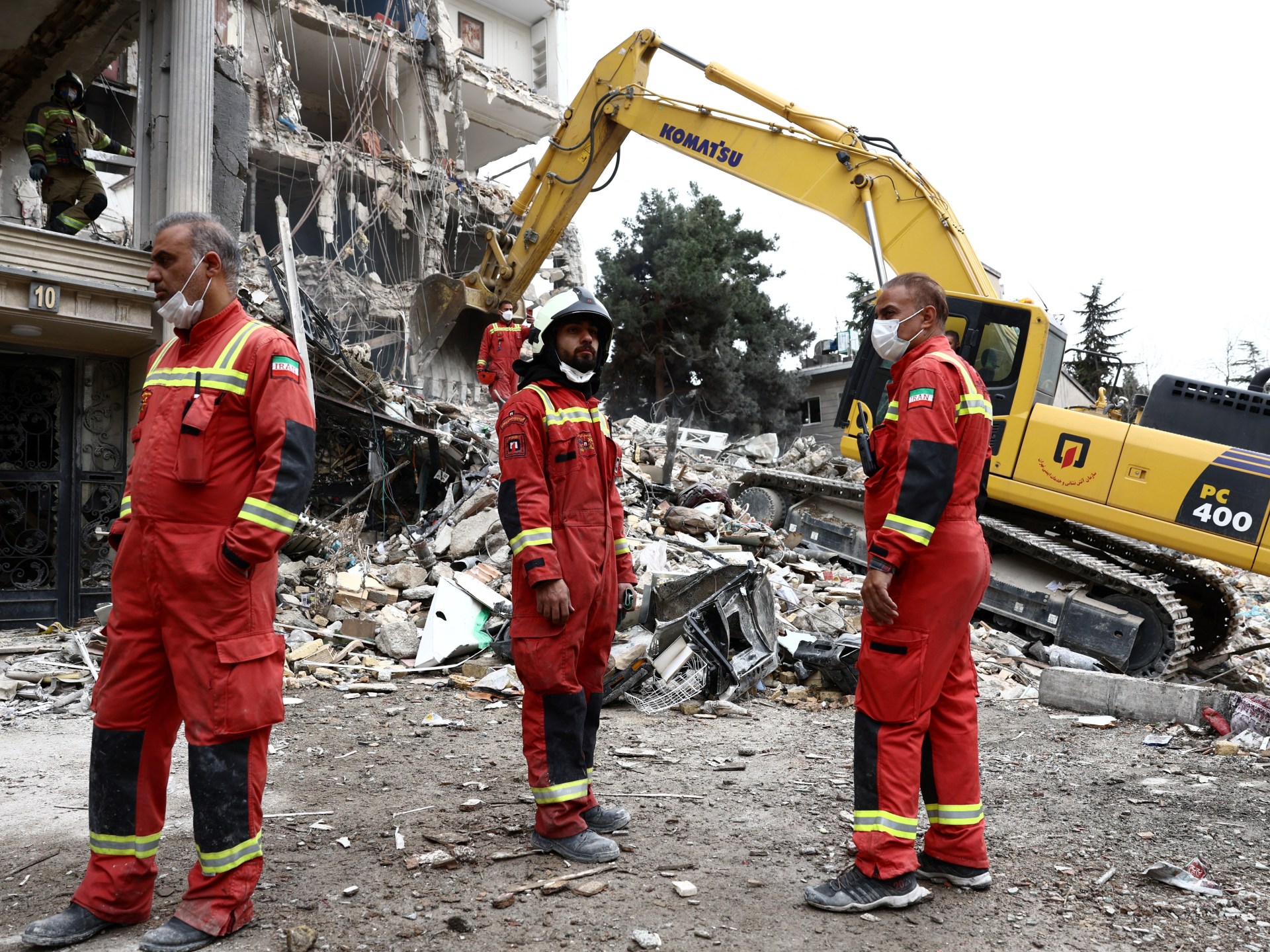

One month into the United States and Israel’s war on Iran, the Middle East is starting to look significantly different — and the effects are being felt across the world.
Energy prices are soaring, violence is intensifying across the region, and efforts to reach a diplomatic off-ramp are offset by bellicose rhetoric and threats of further escalation by both sides.
- list 1 of 3US diplomat Marco Rubio denounces settler violence, tolls in Hormuz strait
- list 2 of 3Israel launches strikes on nuclear sites as Iran warns of retaliation
- list 3 of 3Grieving Iranian mother tells UN about children before school attack
end of list
Experts say the past 28 days have also ushered in new political, security and economic realities. Many top-level leaders in Iran have been killed, and the US has been struggling to rally allies to its aid.
The death toll in Iran sits at more than 1,937 people, and more have been killed around the Middle East, including US military members.
Here, Al Jazeera revisits the events of the past four weeks to look at how the war has unfolded so far.
Week 1
The war started with enormous US-Israeli strikes against Iran on February 28, which the Pentagon said amounted to twice the firepower of the “shock and awe” campaign that kicked off the 2003 invasion of Iraq.
Military developments:
- The opening Israeli strikes killed Iran’s Supreme Leader Ali Khamenei, who served as the country’s de facto head of state as well as the top spiritual authority for millions of Shia Muslims across the world.
- The initial attack also included the assassination of several top officials, including top general Abdolrahim Mousavi; Mohammad Pakpour, the commander of the Islamic Revolutionary Guard Corps (IRGC); and Ali Shamkhani, an adviser to Khamenei.
- The Iranian response was quick. Hundreds of missiles and drones were launched against Israel and US assets across the region, as well as civilian and energy targets in the Gulf.
- Tehran also succeeded in swiftly blocking the Strait of Hormuz, a key waterway for the global oil trade.
- After the initial onslaught, the US and Israel continued to strike Iran daily, with aides for US President Donald Trump saying that Washington was raining “death and destruction” on the country.
- The US military announced the first casualties from the war: Six soldiers were killed in an attack on a base in Port Shuaiba, Kuwait.
- The US military said three US fighter jets were accidentally shot down by friendly fire over Kuwait.
- Less than 48 hours into the conflict, Hezbollah entered the fray by firing rockets at Israel, which it said was in response to the killing of Khamenei and daily Israeli attacks in Lebanon, in violation of a 2024 ceasefire.
- Israel started a bombing campaign and a ground invasion in Lebanon.
Advertisement
Political developments:
- Gulf states condemned the Iranian attacks as a violation of their sovereignty, stressing that they have been neutral in the war and emphasising their right to respond.
- Trump said the aim of the military campaign was to bring “freedom” to the Iranian people, but US officials later outlined more narrow goals, including destroying Iran’s military capabilities.
- Despite the decapitation of its leadership, the Iranian government did not collapse.
- Iran also did not see any major defections or antigovernment protests.
- In the US, Trump’s Democratic critics questioned the legality of the strikes, which were launched without congressional approval.
- Early public opinion polls suggested that only one in four people in the US supported the war.
- Trump said he would like to be involved in choosing Iran’s next supreme leader, an assertion that was met with ridicule from Iranian officials.

Civilian cost:
- By the end of the first week of the war, US and Israeli attacks had killed 1,332 people in Iran.
- The most jarring attack was the bombing of a girls’ school in the southern city of Minab, which Iranian officials say killed more than 170 people, mostly children.
- The violence in Lebanon displaced hundreds of thousands of people and killed hundreds.
Economic impact:
- By the end of the first week of the war, the price of a barrel of oil had surpassed $90, up from about $70 before the conflict broke out.
- Civil aviation was scaled back across most of the region, which hosts some of the world’s largest airports.
Week 2
By the time the war had entered its second week, it was clear that the Iranian regime had not collapsed and that the conflict was not going to be a brief, one-and-done operation akin to the US abduction of Venezuela’s President Nicolas Maduro in January.
Military developments:
- A US military refuelling aircraft fell over Iraq, killing all six crew members. Iran-allied Iraqi groups took responsibility for downing the jet, but the US military said the crash was not “due to hostile fire or friendly fire”.
- The US and Israel continued to strike Iran, hitting oil storage depots in Tehran for the first time. The attacks caused huge plumes of smoke that produced black rain over the city of nine million people.
- Hezbollah and Iran launched coordinated rocket attacks against Israel.
- The Israeli military bombarded Beirut and its southern suburbs, known as Dahiyeh, as it deepened its invasion of southern Lebanon.
- Several vessels were targeted near the Strait of Hormuz as Iran solidified its control over the strategic waterway.
- Though Trump pledged escorts for tankers stalled near Hormuz, the US military acknowledged that it was not ready to accompany ships through the strait.
- Iran intensified its assault across the Gulf with an attack on Saudi Arabia, killing two people.
Advertisement
Political developments:
- Iran chose the late Khamenei’s son Mojtaba as its new supreme leader in a show of defiance against US demands, after Trump had rejected the 56-year-old as an option.
- In a written message, Mojtaba Khamenei said Iran would fight on against the US and Israeli attacks, emphasising the importance of closing the Hormuz Strait.
- Trump said the war would end “soon”, but Israeli officials stressed that the conflict has no limits.
- Hezbollah leader Naim Qassem said his group is ready for a “long confrontation” with Israel, describing the war as “existential”.
Civilian cost:
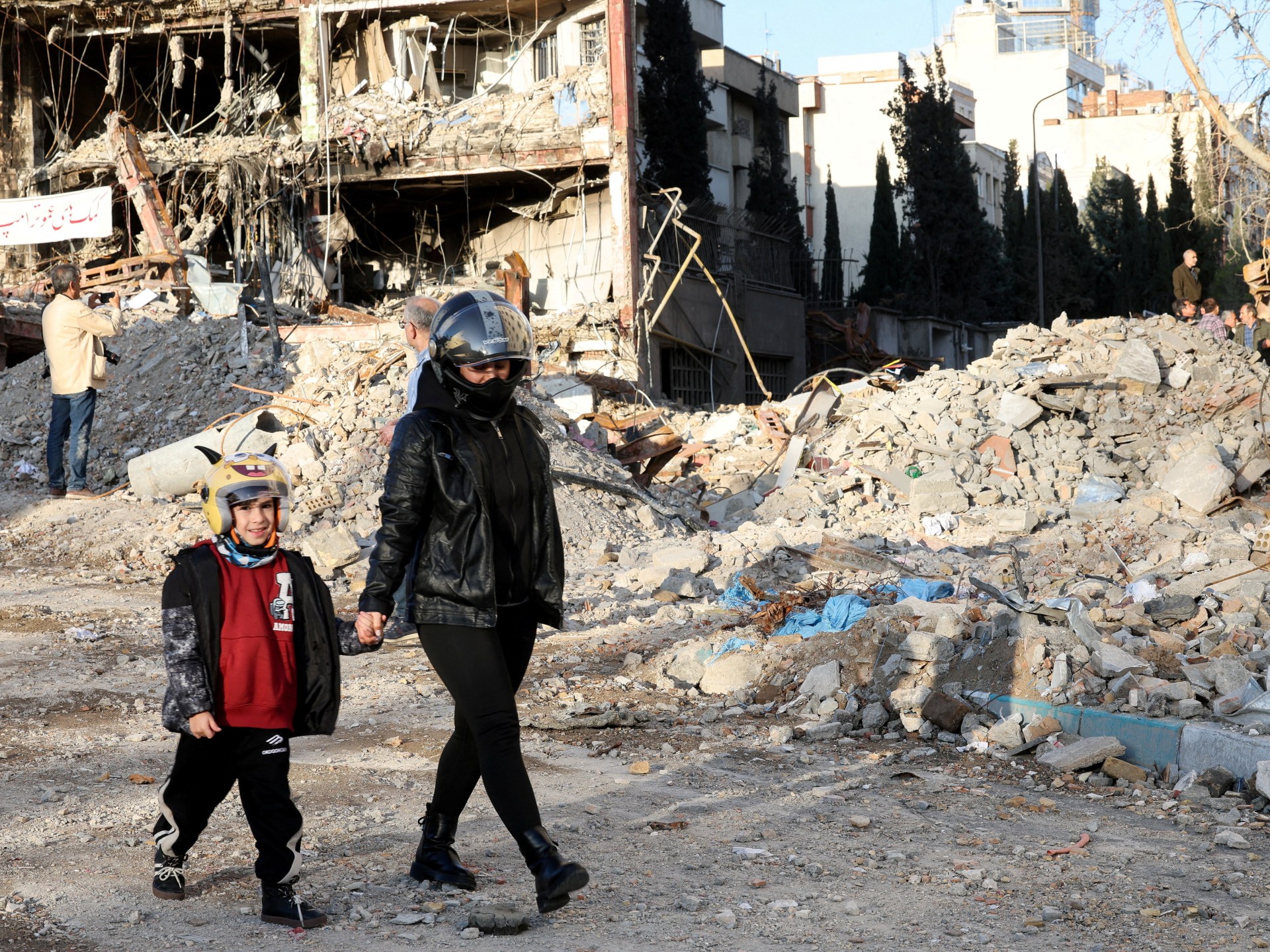
- Iran said nearly 10,000 civilian sites were damaged in the US and Israeli attacks.
- The number of displaced people in Lebanon topped 800,000 as Israel issued forced evacuation orders for large parts of the country.
- Israeli attacks killed more than 770 people in Lebanon by the end of the second week of the war.
Economic impact:
- Oil prices spiked past $110 per barrel on March 8 before dropping to between $90 and $100 later in the week.
- The International Energy Agency agreed to release a record 400 million barrels of crude oil in response to the disruption to global fuel supplies.
- Trump suggested the US will benefit from rising oil prices since the country is a major energy producer, despite the increasing consumer costs and a risk of accelerating inflation.
Week 3
In its third week, the war saw major escalations beyond the routine air strikes and rocket attacks. Israel carried out major assassinations inside Iran and bombed a gasfield, risking an all-out energy war across the region.
Military developments:
- Israel assassinated Iran’s security chief Ali Larijani and the head of the Basij paramilitary force Gholamreza Soleimani.
- Two heavy missiles from Iran penetrated Israel’s multi-layered air defences, causing widespread damage in the southern cities of Dimona and Arad.
- Israel struck Iran’s South Pars gasfield in a major escalation that expanded the war to energy infrastructure.
- Iran responded by attacking energy facilities across the region, including the Ras Laffan liquefied natural gas facility in Qatar and an oil refinery in Israel.
- The US said it deployed 10,000 interceptor drones to the Middle East to counter Iranian attacks.
- Iran-allied groups in Iraq struck a US logistics support camp near Baghdad in successive attacks.
- Hezbollah intensified its rocket fire against Israel, with one launch reaching more than 200km (125 miles) deep into Israeli territory.
Political developments:
- Trump distanced himself from the Israeli attack on the Iranian gasfield, saying that he told Israeli Prime Minister Benjamin Netanyahu to stem such strikes.
- Iran laid out its conditions for ending the war, which included assurances that the attacks would not be renewed, compensation for damages and recognising Iran’s “rights”.
- Before he was killed, Larijani issued a six-point message to Muslim-majority nations decrying the lack of support for Iran and reasserting that his country is not going to relent in its fight against the US and Israel.
- Qatar declared the Iranian embassy’s military and security attachés as personae non gratae after the Ras Laffan attack.
- Joe Kent, the director of the US National Counterterrorism Center, resigned in protest against the war. He argued that Iran posed no imminent threat to the US when the conflict erupted.
- Saudi Arabia said “the little trust that remained in Iran has been completely shattered”, after its energy infrastructure and military bases came under Iranian attack. Some strikes appeared to be targeted at US assets at the bases.
Civilian cost:
Advertisement
- The Iranian Red Crescent said at least 204 children were killed by the war, as the death toll exceeded 1,444 people.
- In Lebanon, the death toll from Israeli attacks climbed past 1,000, and the number of displaced people rose to more than one million.
Economic impact:
- Iranian attacks knocked out 17 percent of Qatar’s liquefied natural gas export capacity, causing an estimated $20bn in lost annual revenue, QatarEnergy said. The losses threatened repercussions for energy markets in Europe and Asia.
- The price for one gallon (3.8 litres) of petrol in the US reached more than $3.90, nearly $1 more than before the war started.
Week four
The fourth week of the war saw the US claim it had been in diplomatic contact with Iran for the first time since hostilities began. The announcement signalled that Trump might be looking for an off-ramp as the war turns into a protracted conflict.
Military developments:
- Trump said he would “obliterate” Iran’s power plants if it fails to fully reopen the Strait of Hormuz within 48 hours, but he later extended the deadline by five days and then for 10 more days.
- The US moved thousands of troops to the Middle East, raising the prospect of ground operations inside Iran.
- Israel bombed Iranian steel factories and a nuclear reactor, prompting Iran to threaten industrial sites across the region.
- Qatar says seven people, including three Turkish service members, died after a military helicopter crashed due to a technical malfunction.
- Israeli forces attacked the Qasmiyeh Bridge, a key crossing that links Lebanon’s south to the rest of the country.
- Hezbollah said it hit dozens of Israeli tanks, claiming numerous attacks daily against invading troops.
Political developments:
- Trump insisted that Iran is “begging” to reach a ceasefire deal, but Iranian officials denied direct contact with Washington.
- The US sent a 15-point ceasefire plan to Iran, but Tehran rejected the proposal as maximalist.
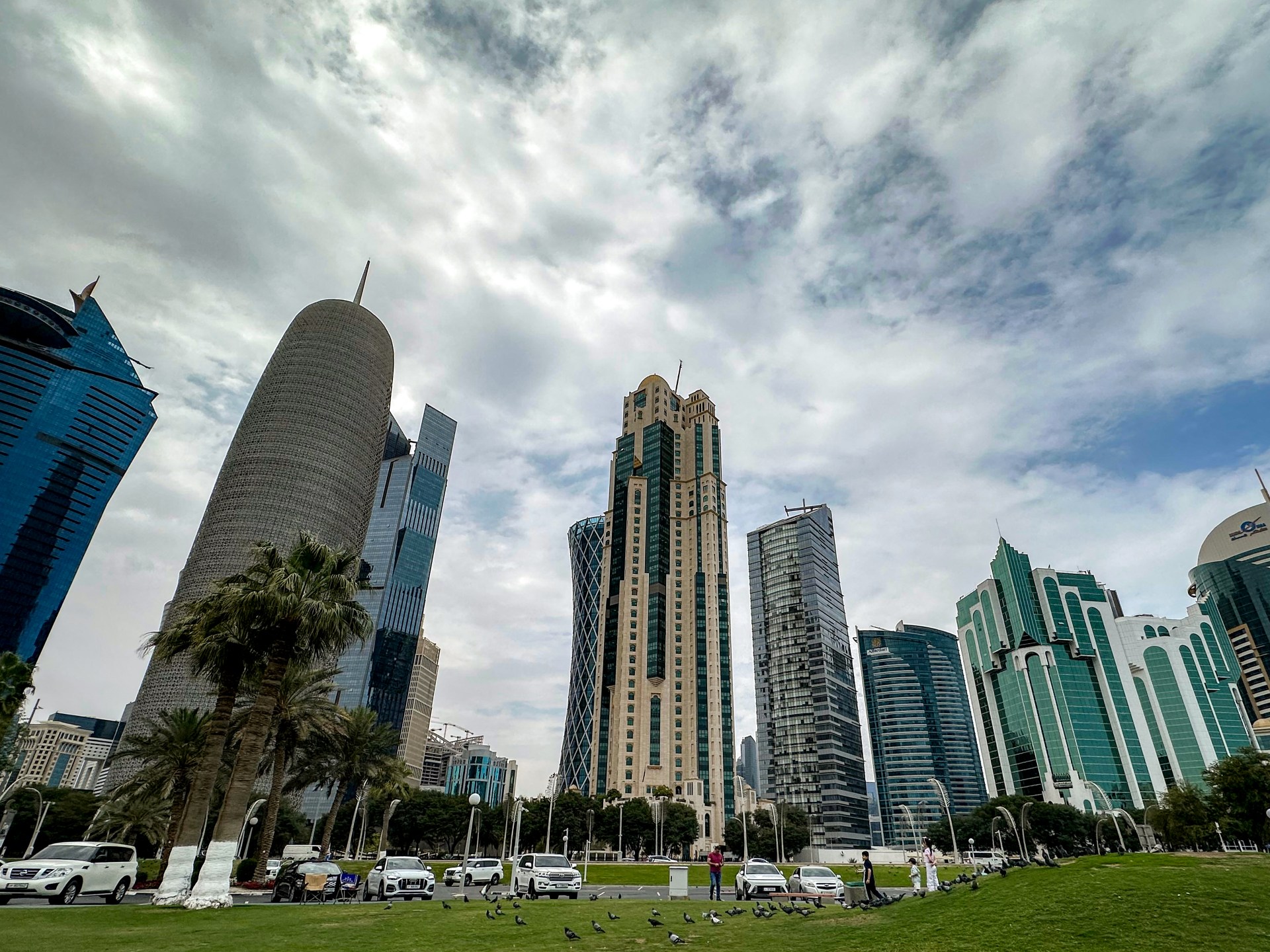
- Qatar called for resolving the conflict through diplomacy, saying that “total annihilation” of rivals in the region “is not an option”.
- The United Arab Emirates took an increasingly confrontational tone against Iran, with Foreign Minister Abdullah bin Zayed saying that his country will “never be blackmailed by terrorists”.
- Israel’s Finance Minister Bezalel Smotrich said that “the new Israeli border must be the Litani River”, suggesting that his country would annex about 20 percent of Lebanon’s territory.
- Yemen’s Houthi group, which has remained on the sidelines, said it is ready to join the war if the Red Sea is used to stage attacks against Iran or if the conflict escalates further.
Civilian cost:
- The death toll in Iran approached 2,000, with 25 deaths across the Gulf.
- In Israel, Iranian and Hezbollah attacks killed 20 people in the first month of the war.
- Israeli attacks killed at least 121 children in Lebanon as the country’s death toll reached 1,116, according to its Health Ministry.
- United Nations experts warned that Lebanon, where the Israeli invasion and bombardment have displaced more than 1.2 million people, is facing the risk of a “humanitarian catastrophe”.
Economic impact:
- Oil prices surpassed $112 per barrel, the highest since 2022, amid supply fears.
- The US stock market sank amid economic uncertainty linked to the war, with major indexes, including the S&P 500 and NASDAQ, seeing major losses.
Related News
Qatar calls on Iran to stop Gulf attacks, urges diplomatic solution
US-Israel war on Iran: What’s happening on day 27 of attacks?
‘Cowards’: Trump slams NATO over lack of support in US–Israel war on Iran