Opposition Raises Concerns Over Impact of Fuel Price Increase on Transport Sector
 13 June 2026

By S.Browne. Updated 10:22 a.m., Saturday, June 13, 2026, Atlantic Standard Time (GMT-4).
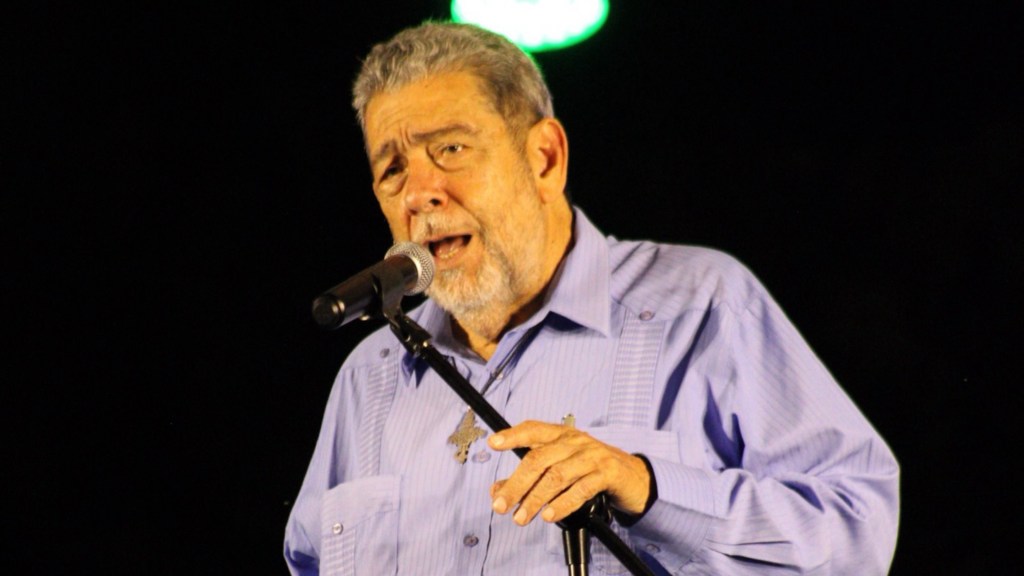
The Office of the Leader of the Opposition said in a statement that Opposition Leader Dr. Ralph Gonsalves delivered an assessment of the New Democratic Party (NDP) administration’s economic performance, accusing the government of plunging the transport sector and ordinary citizens into financial chaos through what he described as reckless and poorly timed fuel price increases.
In a statement issued on June 12, 2026, Dr. Gonsalves said a $3.70 per gallon increase in fuel prices has sent minibus operators into a “tailspin,” forcing them to find an additional $75 to $120 per day just to fill their tanks.
He said the monthly increase of roughly $2,400 matches or exceeds a typical minibus bank loan payment, and said this is threatening to drive operators off the road.
Dr. Gonsalves said the crisis was entirely preventable, having predicted fuel shocks as early as March following military conflicts involving the United States, Israel, and Iran. He accused the government of being “tardy” and “lazy” in its response over more than 10 weeks, during which he claimed approximately $12 million in debt accumulated to fuel suppliers SOL and Rubis.
He characterised the current governance as the NDP’s “Fiscal Austerity Retrogressive Transition (FART) programme,” which he defined as an attempt to “balance the books on the backs of the poor, working people, and farmers.”
He criticised Prime Minister Dr. Godwin Friday’s recent waiver of the 5% customs service charge and freight adjustments, saying these would be absorbed by importers and would not reach consumers.
In the statement, the Opposition called for immediate relief measures, including targeted fuel subsidies for minibuses and taxis, the reinstatement of the Cost of Living Allowance (COLA), direct financial assistance to approximately 3,000 vulnerable households, and the implementation of price controls and subsidies on essential goods such as rice and flour.
END