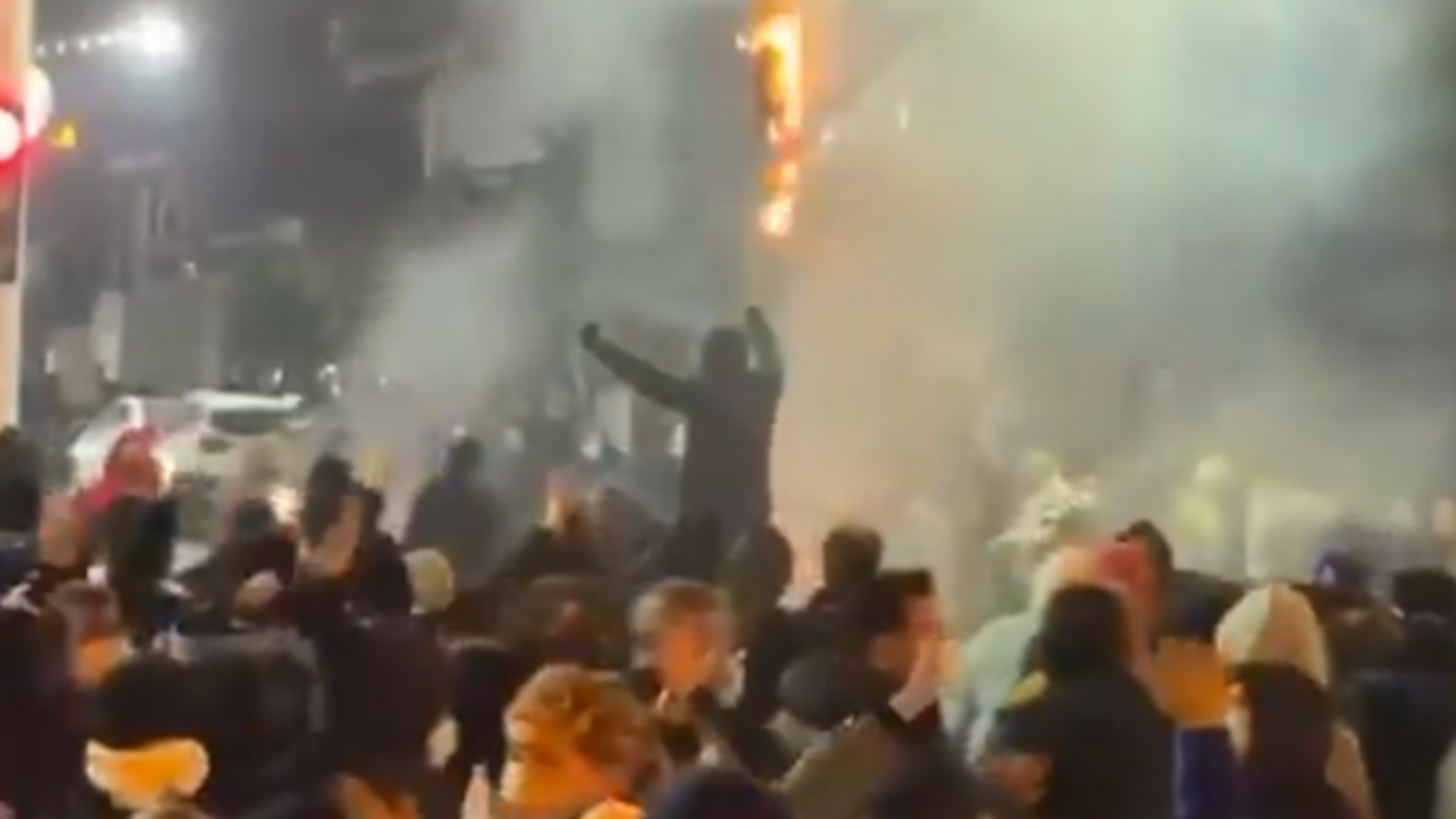
Iran ‘just getting started’ on punishing ‘rioters’ arrested during protests
 20 January 2026

Tehran, Iran – Iranian officials continue to promise harsh punishments for “rioters” arrested during recent nationwide protests as they trade barbs with United States President Donald Trump amid an ongoing digital blackout.
“Our main work at the judiciary about the recent developments has just started,” judiciary chief Gholam-Hossein Mohseni-Ejei wrote in a post on X on Monday.
- list 1 of 3Yemen faces worst food crisis since 2022, aid group warns
- list 2 of 3Trump asks Putin to join Gaza ‘board of peace’ even as Ukraine war rages
- list 3 of 3Trump tells Norway PM not bound to ‘think purely of peace’ after Nobel snub
end of list
“If, without justification, we grant leniency to someone who is not deserving of leniency, then we have acted contrary to justice,” he said.
His comments came as the internet remains fully blocked for most people across Iran despite a very brief period of partial reconnection on Sunday.
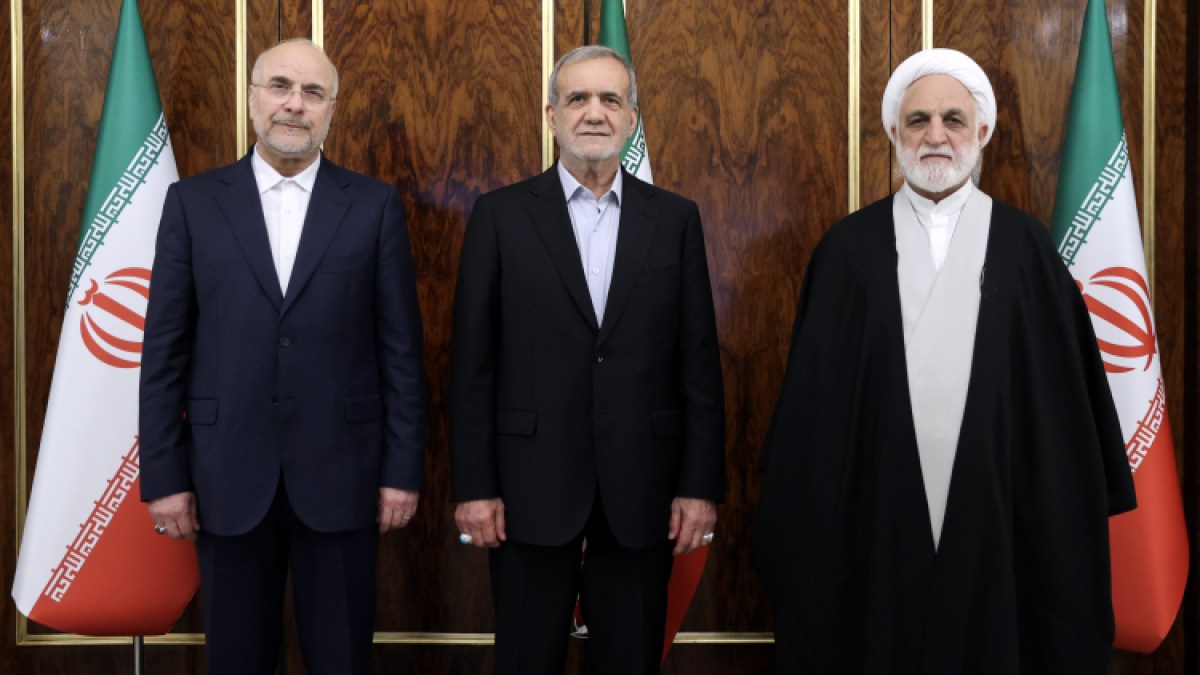
Ejei also had a meeting with President Masoud Pezeshkian and parliament chief Mohammad Bagher Ghalibaf, where the three leaders promised punishments.
In a joint statement released by state media, they said “murderers and terrorist seditionists” will face decisive action, while people who were “tricked” by foreign powers into protesting could potentially benefit from “Islamic compassion” shown by authorities.
last week president Trump told reporters that Iran ”canceled the hanging of over 800 people. “I greatly respect the fact that they canceled,” he said at the White House.
A few days earlier, Trump spent days warning that the US could strike Iran if its government triggered mass killings during widespread protests that have swept that country.
Iranian authorities have repeatedly blamed the US and Israel for allegedly arming and funding the protests.
Advertisement
On Saturday, Iran’s Supreme Leader Ayatollah Ali Khamenei made an unusual admission that “several thousands” were killed during the protests, but the theocratic establishment maintains that agents affiliated with foreign powers, and not with state forces, were directly responsible.
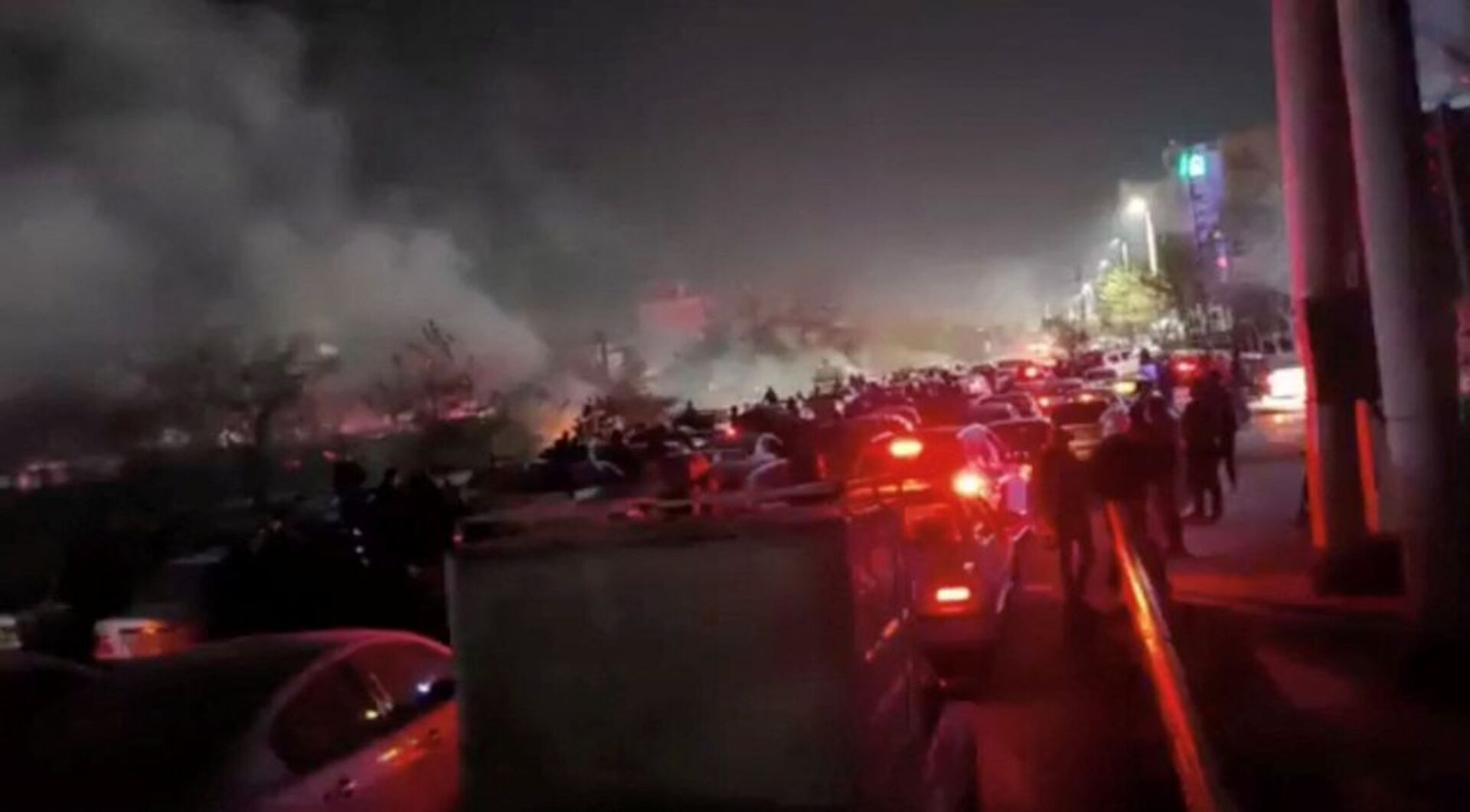
Tens of thousands are believed to have been arrested since the protests were triggered by shopkeepers in downtown Tehran on December 28, and state authorities continue to announce new arrests almost every day.
The Intelligence Ministry said on Monday that an unspecified number of members of a “terrorist team” that had allegedly entered Iran through the country’s western borders were arrested in Tehran.
State media announced more arrests over the past day in Kerman, Isfahan, Mazandaran, Shiraz and Bandar Anzali, alleging that the targets were “leaders of riots” who engaged in violent offences against government buildings and mosques, among others.
Ahmadreza Radan, the country’s hardline chief of police, told state television on Monday that protesters who were “tricked” have three days to turn themselves in so they can receive reduced sentences.
“We have made a promise to the people to chase down the rioters and terrorists until the last person,” he said, adding that many of those arrested have already made “confessions about committing violence, murder and looting”.
State television has aired the confessions of dozens of people with blurred-out faces over recent days, extending a practice that has persisted for many years despite facing international criticism.
Iranian authorities have also emphasised that they intend to make up for some of the financial losses incurred during the protests by confiscating the belongings of those who publicly backed the protests or participated in them.
“Based on the law, the damages of recent riots must be demanded from the backers of the ‘monarchy sedition’ and these people must be held to account,” said Mohammad Movahedi Azad, the hardline cleric who heads the prosecutor general’s authority.
The Fars News Agency, affiliated with the Islamic Revolutionary Guard Corps (IRGC), said all of the assets of a major businessman, including a string of renowned cafes across the country and several top food brands, were seized. The total value of the assets is reportedly believed to be close to the cost of damages incurred in Tehran.
Popular former footballer Voria Ghafouri, who had been arrested in 2022 for supporting previous nationwide protests, also had his cafe confiscated.
Advertisement
Trump threats ‘crossing red line’
At the height of the protests, Trump called on Iranians to “take over” government institutions, alleging “help is on the way”, before expressing “great respect” for the Iranian leadership based on a claim that planned hangings for more than 800 political prisoners were halted.
But then on Saturday, Trump said it is time for an end to the 37-year rule of Khamenei in Iran – prompting some of the highest authorities of the Islamic Republic to shoot back.
In a statement carried by state media, the Guardian Council, a powerful 12-member constitutional watchdog that has to approve legislation before it becomes law, said it condemns the “insult and baseless rhetoric of the criminal and foolish” US president.
The council stressed that any transgression against the supreme leader “is considered crossing the red line of the devout people of the Islamic Republic of Iran, and will entail heavy costs and serious consequences”.
Ghalibaf, the parliament chief, told a public session of parliament on Monday that Trump “used all of his non-existent credibility to extend chaos, insecurity and killings in Iran”.
Internet blackout remains in place
Meanwhile, Hossein Afshin, deputy for scientific affairs to the Iranian president, told reporters on Monday that internet restrictions will “gradually” be lifted from the end of the week, but did not divulge further information.
NetBlocks and other international monitors said the occasional internet reconnections signal that the establishment may be testing ways to more vigorously enforce its controlled digital blackout of the Iranian population.
State media announced on Monday that the chief executive of Irancell, one of the country’s top mobile and internet carriers, was replaced.
The move came after “some of Irancell’s operators refrained from the order to restrict communications” on January 8 for several hours, according to the Tasnim news agency, also affiliated with the IRGC. That was the night when the internet and all mobile communications were abruptly cut off at an unprecedented scale.
According to state media, the reformist Ham-Mihan daily newspaper was confiscated on Monday, with two reports written about the protests cited as the reason.
State television also confirmed on Monday that its satellite broadcast was “disrupted by an unidentified source for moments” the night before. The feed appeared to show moments from the nationwide protests at the time of hijacking.
Related News
Israel kills 8 in Gaza as US declares phase two of ceasefire deal launched
Syrian army renews Aleppo strikes as Kurdish fighters refuse to budge
How volatile is the situation in Iran?