
Iranian forces have launched an operation targeting Kurdish groups in their semi-autonomous region of neighbouring Iraq, as they also began their 19th wave of missile and drone attacks against Israel and United States assets in the Middle East on the sixth day of a regional war that has embroiled much of the region in the conflict.
Iran’s Press TV reported early on Thursday that it was targeting “anti-Iran separatist forces”, without specifying the location of the strikes.
- list 1 of 4Demonstrators across Iran condemn US-Israeli war
- list 2 of 4Iranian rockets intercepted over central Israel
- list 3 of 4Canada PM Carney says unable to rule out military role in Iran war
- list 4 of 4Video: Intense US-Israeli bombardment across Iran
end of list
The new strikes on Iraq’s semi-autonomous Kurdish region come nearly one week into the US-Israel war against Iran, which has killed at least 1,045 people across the country since Saturday, according to Iran’s semiofficial Tasnim news agency.
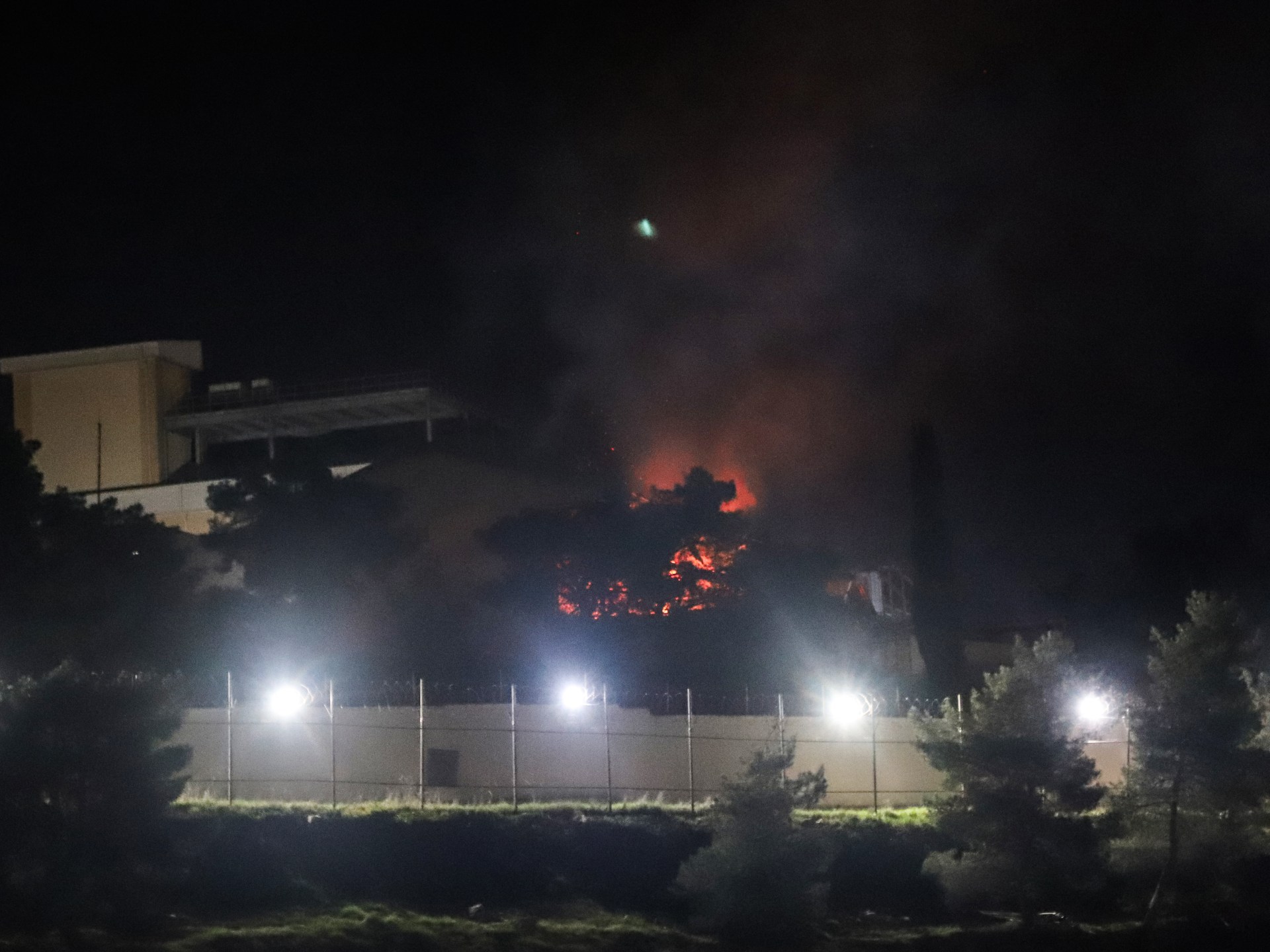
Video clips posted on X by Press TV showed explosions lighting up the night sky during the operation.
Earlier, multiple blasts were reported in the province of Sulaimaniyah in northern Iraq. According to local media, at least four explosions were heard in the province, near the areas of Arabat, Zarkuiz and Surdash.
Local sources said the attacks targeted the headquarters of the Kurdistan Toilers Association, or Komala, an Iranian Kurdish armed group in Iraq.
The attacks come amid reports that Iranian Kurdish armed groups have consulted with the US in recent days about whether, and how, to attack Iran’s security forces in the western part of the country and what support they might receive from Washington.
According to the Reuters news agency, the Iranian Kurdish coalition of groups based on the Iran-Iraq border has been training to mount such an attack in hopes of weakening the country’s military.
Advertisement
Earlier, Iran’s Tasnim news agency denied reports of Kurdish fighters crossing into Iran from Iraq.
Iran hits back at Israel, US presence
As the attacks on Kurdish groups were launched, Iran’s Islamic Revolutionary Guard Corps (IRGC) also announced the latest round of attacks against Israel and US assets in the Middle East early on Thursday.
Israel’s air defence system intercepted two drones over the western Galilee region, Israel’s Channel 12 reported. Saudi Arabia said it intercepted at least three drones, while Qatar ordered the evacuation of homes near the US Embassy in Doha.
Residents flee Tehran
Meanwhile, the US and Israel continue to pound Iran, with explosions shaking Tehran as well as the Kurdish cities of Sanandaj, Saqqez and Bukan.
The Israeli military, on Monday morning, confirmed a new widespread wave of attacks on Iran, with a spokesperson stating that its air force “attacked and destroyed” a ballistic missile platform that had been preparing to launch an attack from the Iranian city of Qom.
The US Central Command (CENTCOM), in turn, said it aimed to “eliminate” Iran’s mobile missile launch capabilities.
Iran, in response to the attacks, has activated its air defences, the semiofficial Tasnim news agency reported.
“Starting from midnight, we saw another wave of these strikes begin, and an hour ago, we heard the sound of massive blasts from the eastern part of the capital and could even feel the shockwaves where we are,” said Al Jazeera’s Tohid Asadi, reporting from Tehran.
“It is not yet clear what the targets are. There have also been attacks on the Kurdish cities of Sanandaj, Saqqez and Bukan overnight. We know that, all in all, more than 150 cities in Iran have been attacked since Saturday.”
Asadi said “a considerable portion” of Tehran’s population has decided to evacuate Tehran amid the ongoing US and Israeli strikes, mainly those who have homes outside the Iranian capital.
“Still, there are many others who have been left behind. They are living amid all these concerns, frustrations and anxiety.”
Related News
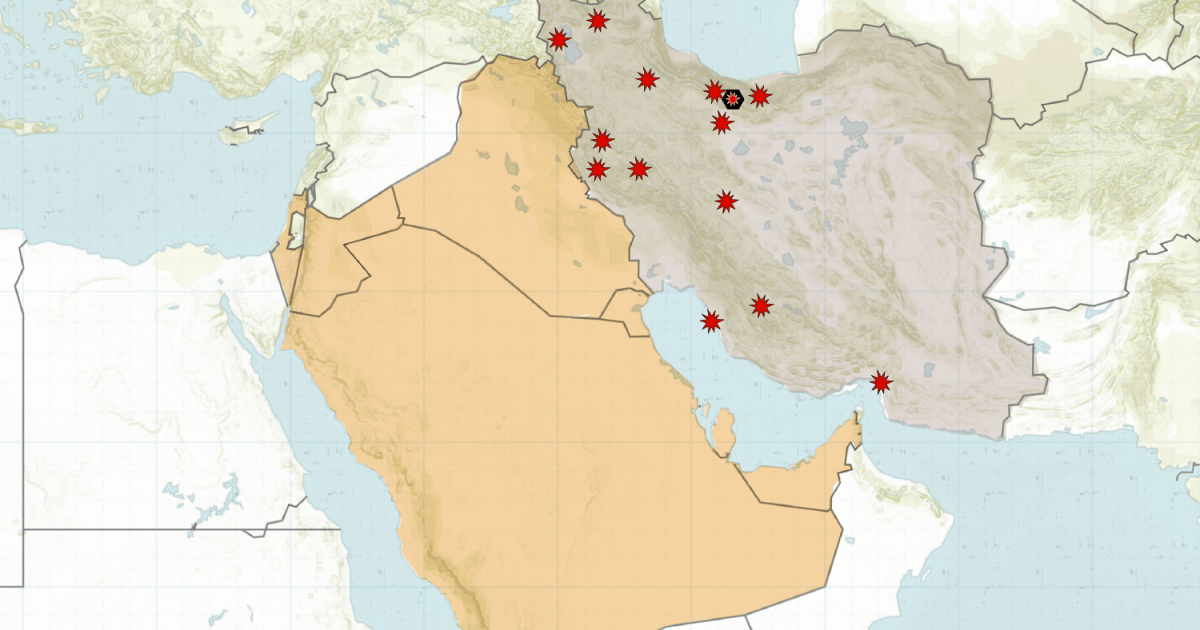
Mapping US and Israeli attacks on Iran and Tehran’s retaliatory strikes

Six seats, big goals: What’s next for Bangladesh’s student-led NCP party?
What is Greater Israel, and how popular is it among Israelis?