‘Monstrous’: Cyclone Gezani hits Madagascar, with reports of severe damage
 10 February 2026
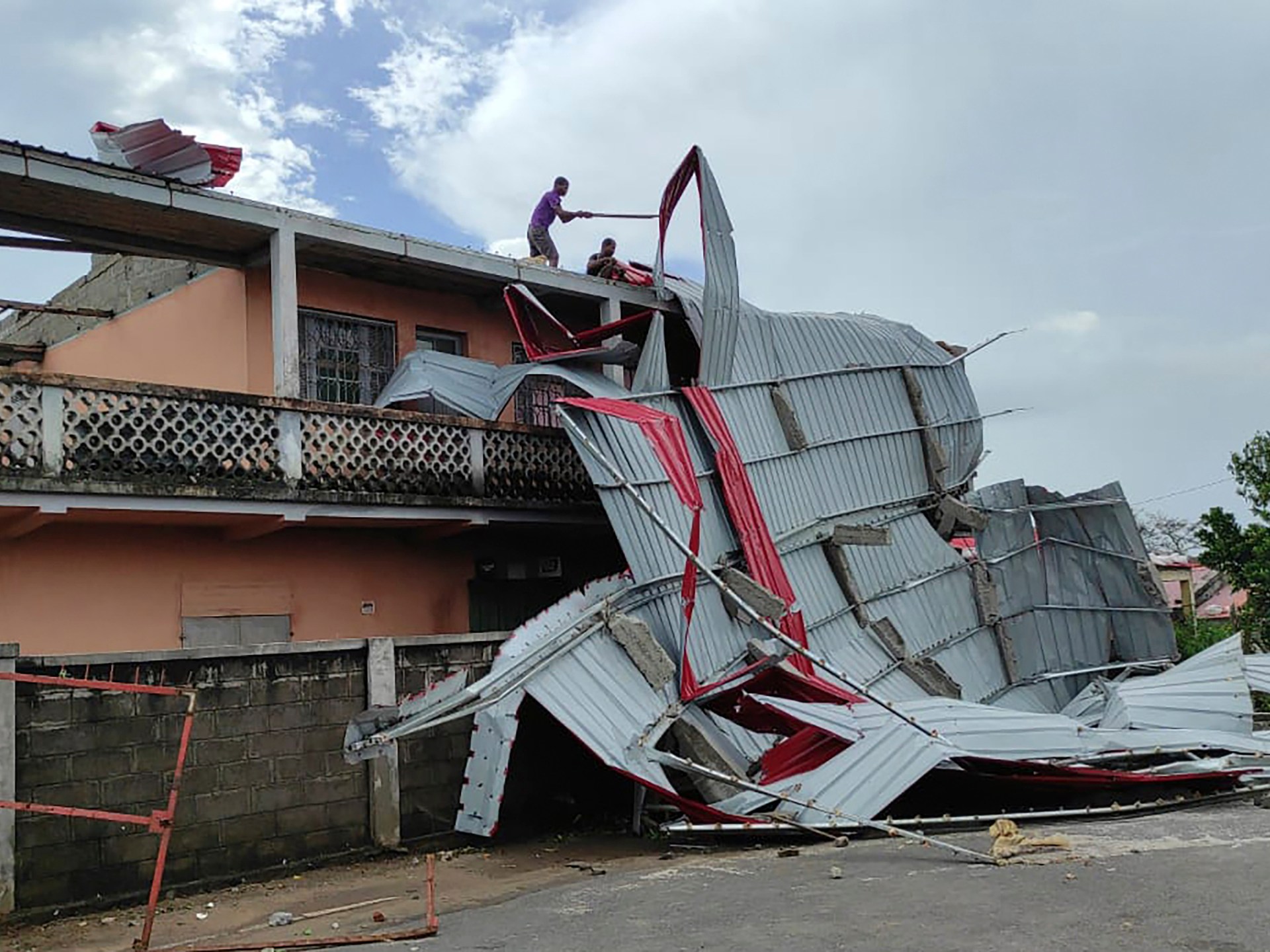

Madagascar’s national weather service has said that hurricane-force winds and heavy rains are expected to continue as Cyclone Gezani makes its way across the Indian Ocean island nation over the coming hours, as residents report widespread damage.
Meteo Madagascar warned in an update at 1am local time on Wednesday (22:00 GMT) that “widespread flooding, flash floods, and landslides are highly likely”, as the cyclone makes its way towards the country’s “central highlands from east to west overnight and throughout Wednesday”.
- list 1 of 4Are rainforests now a cause of, rather than the answer to, climate change?
- list 2 of 4Why are some African countries banning US citizens from entry?
- list 3 of 4Activist leads tour through ‘architectural crime scene’ of Cape Town’s past
- list 4 of 4Mapping the 10 countries with the most overseas territories
end of list
Red alerts, meaning imminent danger, were issued for the regions of Analanjirofo, Atsinanana, Alaotra Mangoro, Analamanga and Betsiboka in the country’s northeast, Meteo Madagascar said on its website.
Gezani has already caused flooding, electricity outages and widespread damage to homes, according to residents who spoke to the AFP news agency.
“It’s monstrous. Everything is devastated, roofs have been blown off, floors are flooded, the walls of solid houses have collapsed,” a resident of Toamasina, a port city on Madagascar’s east coast, told AFP by telephone when communications briefly returned.
“And I’m talking about the nice neighbourhoods, with well-built houses,” said the resident, who had been left without electricity since the afternoon, five hours before the cyclone hit.
Colonel Michael Randrianirina, in power in Madagascar since an October military coup, said he would make his way to Toamasina – the capital of the Atsinanana region and the country’s chief seaport– to be closer to the people when Gezani had passed.
Advertisement
The CMRS cyclone forecaster on France’s Reunion island confirmed that the Toamasina port had been “directly hit by the most intense part” of Gezani.
According to the CMRS, the cyclone’s landfall was likely one of the most intense recorded in the region during the satellite era, rivalling Cyclone Geralda in February 1994. That storm left at least 200 dead and affected half a million more.
Although Gezani lost steam and was downgraded to the level of a tropical storm as it headed into inland Madagascar, it is expected to pick back up to cyclone speeds on its way across the channel to Mozambique.
Meteo Madagascar said the storm was expected to move “into the Mozambique Channel between Maintirano and Morondava tomorrow evening or overnight”, as it continued in the direction of the African continental mainland.
Gezani made landfall on Tuesday night, less than two weeks after Tropical Cyclone Fytia hit northwestern Madagascar on January 31, killing at least 12 people and displacing 31,000, according to the UN’s humanitarian agency, OCHA.
The storm flooded, damaged, or destroyed 18,600 houses, 493 classrooms and 20 health facilities, and caused “extensive losses to rice fields”, OCHA said, adding that flood water also affected drinking water supplies, posing public health risks.
Climate change is expected to make tropical storms more intense, with island nations particularly at risk due to rising sea levels, as well as warming oceans causing heavier rains.
Related News
In war-torn Ukraine, showing sympathy for Palestine is no longer a taboo

Ukraine says first day of peace talks with Russia ‘productive’

Russia ready to respond to any US weapons deployment in Greenland: Ryabkov