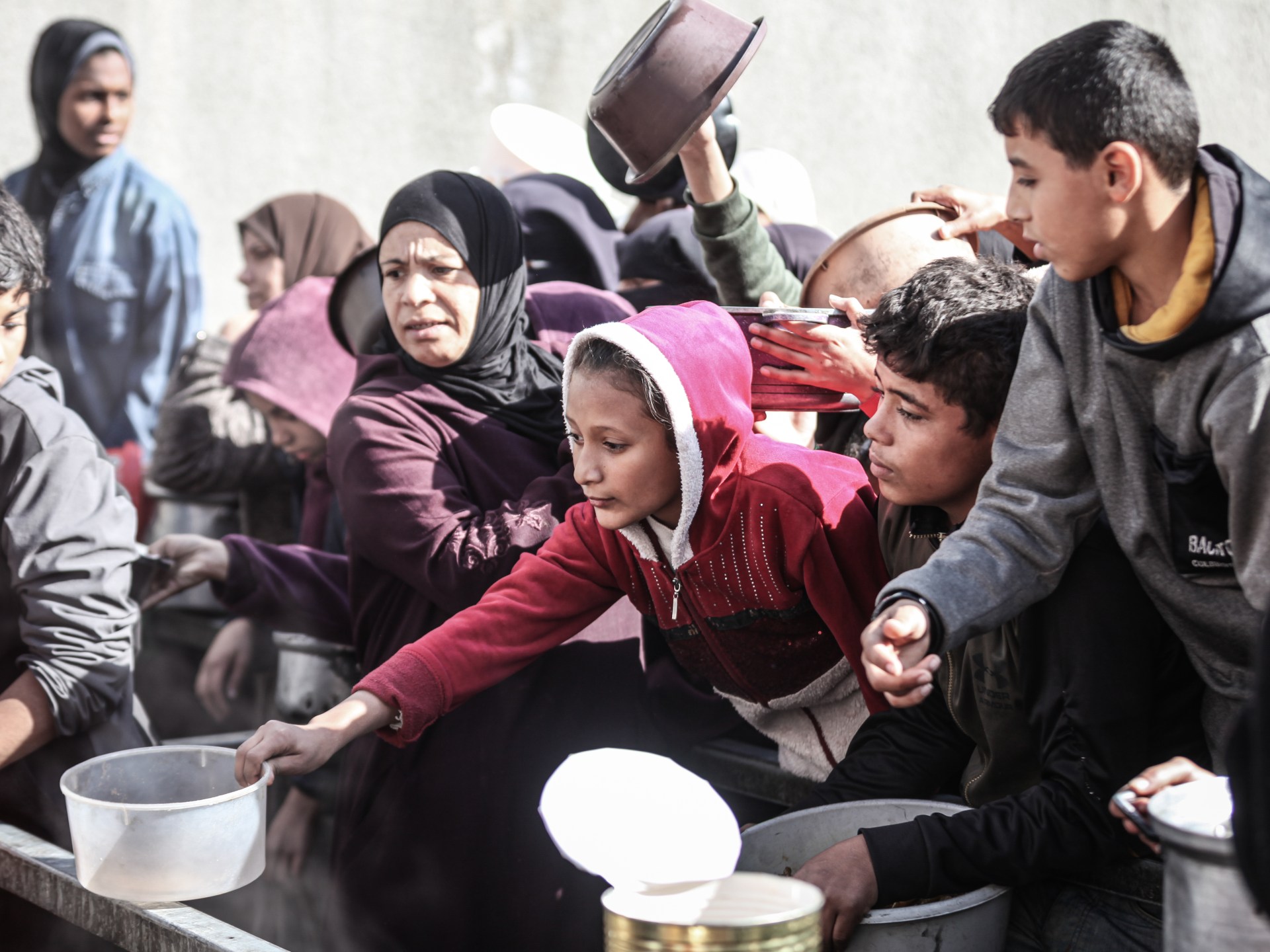
Displacement camps swell with people fleeing Sudan’s war-ravaged el-Fasher
 31 December 2025
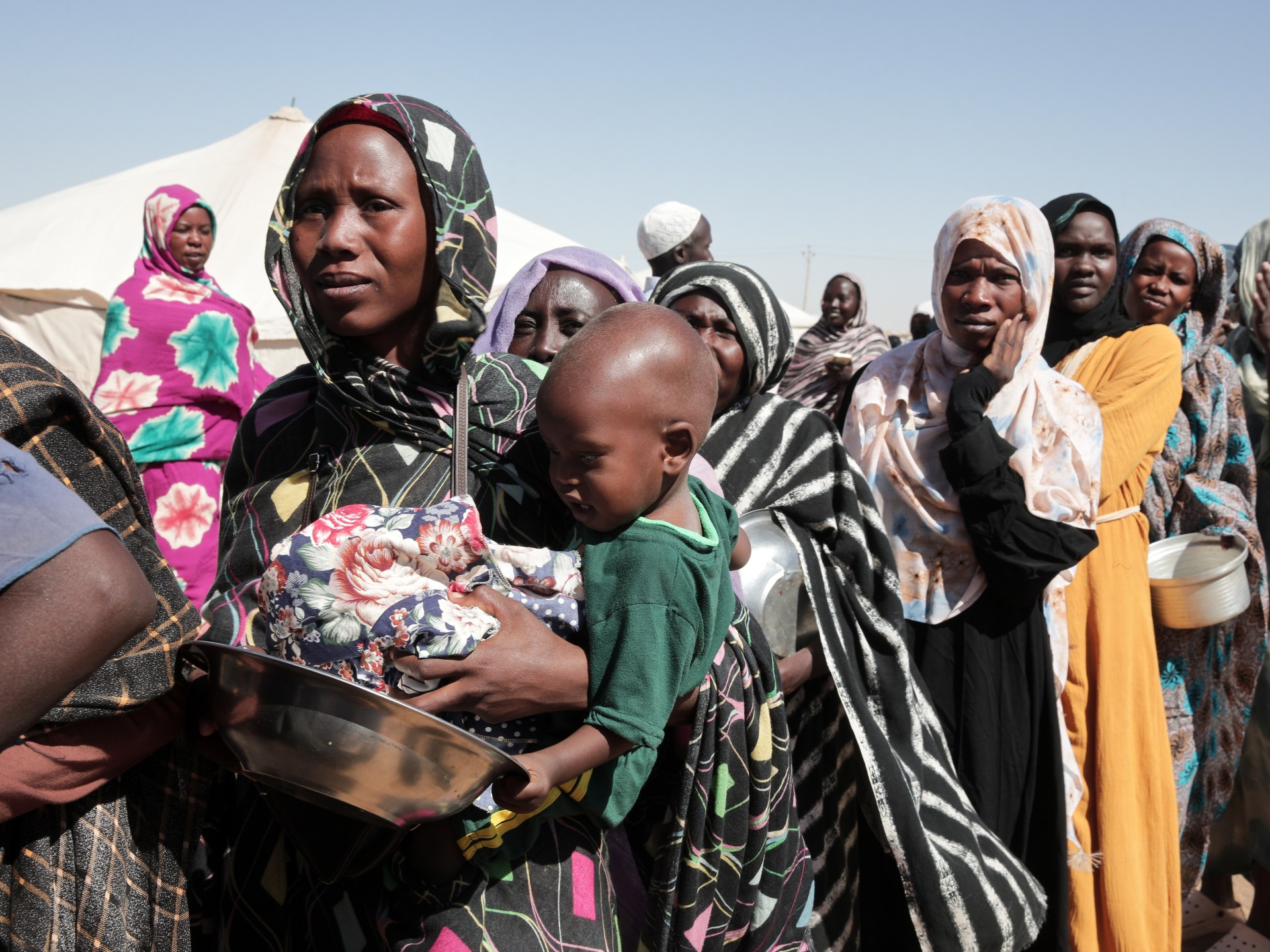

Several displacement camps have emerged and are quickly filling with people who fled Sudan’s devastated and largely emptied city of el-Fasher, which the paramilitary Rapid Support Forces (RSF) seized in an atrocity-ridden campaign in October.
One camp has been established in the small town of Qarni, northwest of el-Fasher, according to satellite images reviewed by Al Jazeera’s Sanad agency. Between December 14 and December 29, the camp expanded by 13,000 square metres (140,000sq ft), bringing its total area to about 199,000 square metres (15,550sq yard), according to the satellite data.
- list 1 of 3Is peace in Sudan possible?
- list 2 of 3‘No negotiation, no truce’ with RSF, says senior Sudan official
- list 3 of 3UN renews Sudan ceasefire appeal over ‘unimaginable suffering’ of civilians
end of list
An even larger camp for the displaced from el-Fasher has expanded in Sudan’s Northern State, about 700km (435 miles) away. El-Afadh camp, near the city of al-Dabba, now covers at least 500,000 square metres (0.2sq miles), after growing 370,000 square metres (0.14sq miles) since November 19, according to satellite data analysed by Sanad.
The imagery confirms the flow of tens of thousands of newly displaced people from the latest chapter of Sudan’s 32-month brutal war. According to the UN, 107,000 people have been displaced from el-Fasher and surrounding areas since late October, when the RSF seized the city and carried out ethnically motivated mass killings, sexual assaults and detentions, according to survivors.
Nabiha Islam, a physician who volunteered at the camp in al-Dabba for several weeks earlier in December, said resources were scarce as thousands of traumatised refugees arrived during her time there.
Advertisement
Last week, a team of UN aid workers visited el-Fasher for the first time since its takeover, finding a largely deserted city they said had the hallmarks of a “crime scene”.
“El-Fasher is a ghost of its former self,” said UN aid coordinator Denise Brown. “We don’t have enough information yet to conclude how many people remain there, but we know large parts of the city are destroyed.”
She added that conditions in the city are “very precarious”, with some people living without sanitation or water.
Sudan’s war erupted in April 2023 when a power struggle broke out between the Sudanese Armed Forces (SAF) and the RSF. It has since killed more than 100,000 people and displaced 14 million, including 4.3 million who have fled to neighbouring countries. It has also triggered famine in several parts of Sudan, a situation the UN has described as the “world’s worst humanitarian crisis”.
El-Fasher was the government-aligned SAF’s last major stronghold in the Darfur region before falling to the RSF, which grew out of the government-backed militia Popular Defence Forces, also known as the Janjaweed, accused of genocide against non-Arab ethnic groups during the 2000s Darfur conflict.
After taking over el-Fasher, RSF forces are now pushing east into the Kordofan region, creating 53,00 additional refugees, according to the UN.
Mohamed Refaat, Sudan chief of mission for the UN’s International Organization for Migration, has warned that if a ceasefire is not reached around Kadugli, a city in South Kordofan that the RSF is besieging, “the scale of violence we saw in el-Fasher could be repeated.”
Related News
Louvre reopens partially after workers extend strike in aftermath of heist
Myanmar military reports 50 percent turnout in first election phase
House Democrats release latest Epstein images as DOJ deadline looms