
Iran’s mission to the United Nations has accused Washington of “excessive demands” that are pushing peace talks towards collapse amid reports that United States President Donald Trump’s administration is preparing for strikes on Iran if negotiations to secure a deal fail.
Pakistan’s army chief Asim Munir landed in Tehran on Friday and met Iranian Foreign Minister Abbas Araghchi late into the night. The pair “exchanged views on the latest diplomatic efforts and initiatives to prevent escalation of tensions”, according to a post on Araghchi’s Telegram channel.
- list 1 of 3US-Iran diplomacy picks up: What’s the latest?
- list 2 of 3Pakistan’s army chief in Iran as US’s Rubio says ‘slight progress’ in talks
- list 3 of 3Are India and Pakistan quietly preparing to restart dialogue?
end of list
Trump also confirmed on Friday that he would not attend his son’s wedding and would stay in Washington due to “circumstances pertaining to government”, prompting speculation that the situation had entered a sensitive stage. The US president described this week’s negotiations as on the “borderline” between renewed attacks and a deal to end the war.
Iranian Foreign Ministry spokesperson Esmaeil Baghaei cautioned that Munir’s visit did not mean “we have reached a turning point or a decisive situation”, as “deep and significant” disagreements remained, according to Iran’s ISNA news agency.
Al Jazeera’s Tehran correspondent Resul Serdar Atas said “the visit of [Field Marshal] Asim Munir, Pakistan’s chief of the army, to Tehran is itself a sign of significant progress in the negotiations”.
Atas said Araghchi had held phone calls with his Turkish, Iraqi, Qatari and Omani counterparts, as well as with UN Secretary-General Antonio Guterres, about the state of the peace talks.
Advertisement
“What we are seeing is a multifront diplomatic effort, moving on several tracks,” Atas said, while cautioning that a breakthrough may not be imminent.
“Munir’s arrival in Tehran does not mean a deal has been reached, and despite some progress, significant differences remain,” he said. “The parties are working to bridge those gaps.”
Pakistan’s Prime Minister Shehbaz Sharif and Foreign Minister Ishaq Dar – who have played a crucial role in mediation between the warring sides – flew to China, Iran’s top trading partner, for a four-day visit in which efforts to resolve the ongoing crisis are expected to be discussed.
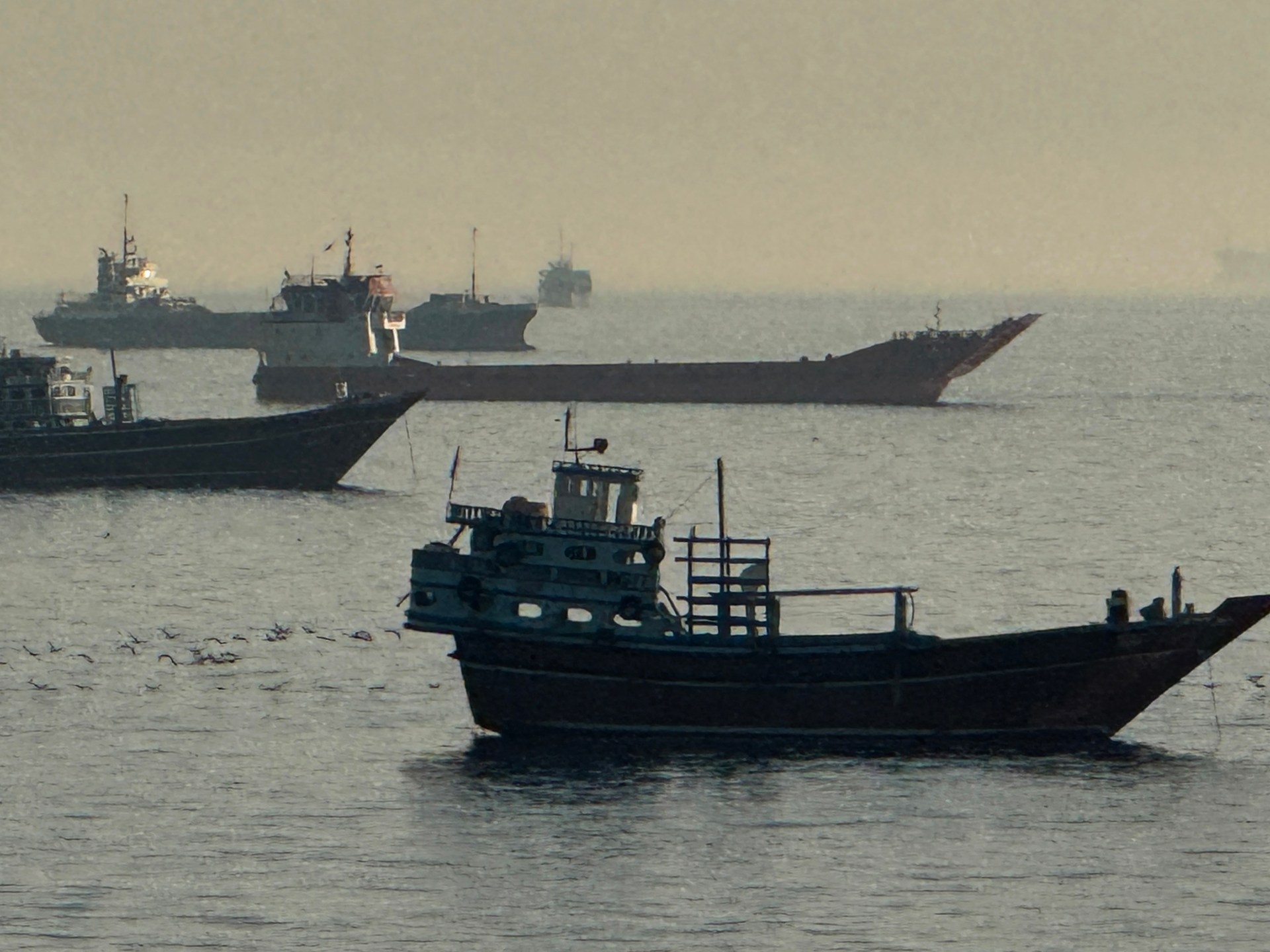
The regional war, which has affected the global economy due to the ongoing closure of the Strait of Hormuz, began with US-Israeli strikes on Iran on February 28.
Weeks of negotiations since an April 8 ceasefire – including historic face-to-face talks in Islamabad – have yet to produce a permanent resolution or fully reopen the Strait, causing a worsening oil supply crisis.
Related News

Last passengers from hantavirus-hit ship evacuated; American tests positive
Araghchi: Iran doubts US ‘seriousness’ about talks amid nuclear deadlock
Gang violence kills at least 25 in Honduras