
By S.Browne. Updated 3:56 p.m., Thursday, June 25, 2026, Atlantic Standard Time (GMT-4).
Police officers, members of the judiciary and legal professionals are expected to receive specialised training on mental health issues as part of a broader government effort to improve how mental illness is identified, understood and managed across public institutions.
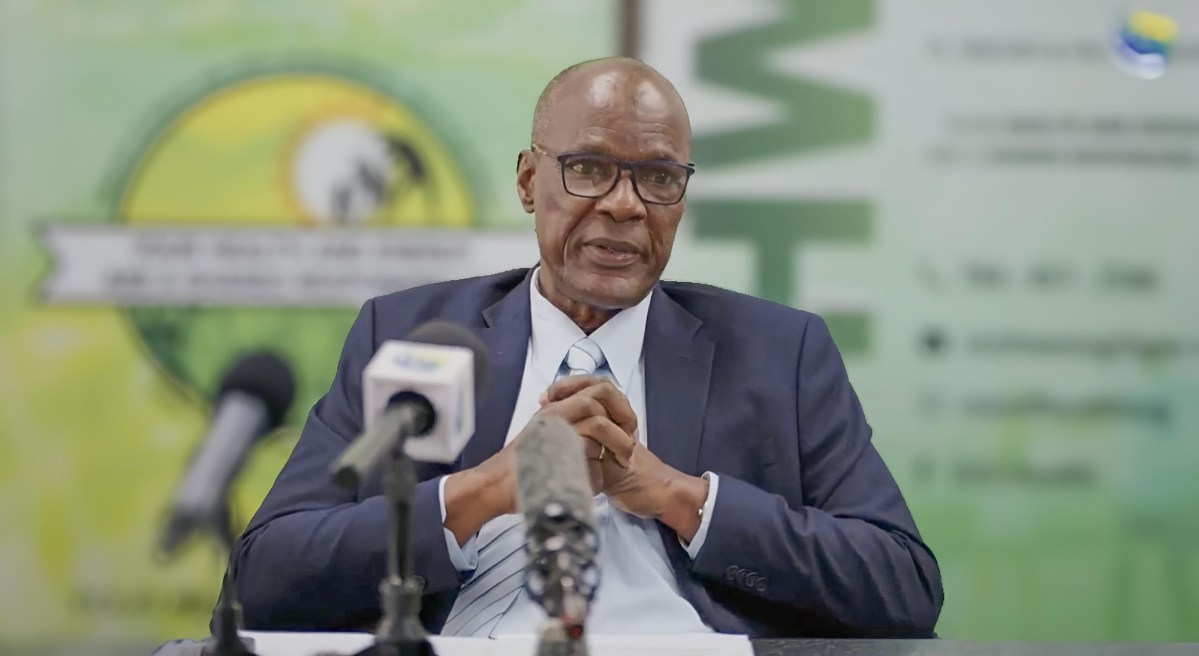
Speaking at a press conference on Thursday, June 25, 2026, Health Minister Daniel Cummings said the initiative forms part of a wider strategy to treat mental illness as a public health issue and strengthen collaboration between the health, education, law enforcement and legal sectors.
“Mental health illness, as I understand it, as the experts will tell us, is an illness that is treatable like any other illness,” Cummings said.
“And this government has set upon a programme to do exactly that, to treat mental health as one of the several illnesses affecting our people in this country.”
The Minister said the Government is also seeking to identify potential mental health challenges at an earlier stage through intervention programmes within schools.
“The ministry is embarking on a programme to go into the schools, indeed at the earliest age, to help to identify the children who demonstrate the characteristics that can lead to the pitfalls of mental health illness,” he said.
“In other words, we believe in dealing with the problem at source, just as we have given serious priority to primary health care.”
Cummings said achieving these objectives will require collaboration with the Ministry of Education and other stakeholders, with a focus on early intervention before mental health challenges become more severe.
Turning to the justice system, the Minister said there had been instances where mental health issues were not fully understood by those responsible for administering the law.
“There have been a few incidents, my friends, where members of the judiciary have demonstrated a certain lack of understanding of mental health issues,” he said.
Cummings disclosed that he has been engaged in discussions with the Attorney General and intends to continue dialogue with key members of the judiciary aimed at improving understanding of mental health conditions and their interaction with the legal system.
“I have been in dialogue with our Attorney General and intend to continue this discussion with key members of the judiciary with a view to introducing dialogue and the training, training in both directions,” he said.
The proposed initiative would involve training for both mental health professionals and legal practitioners.
“That is to say for members of the team at Mental Health to have some understanding of how the law works as it relates to mental health patients, and very importantly for members of the legal profession to have a better understanding of the issues associated with mental health illness.”
The Minister said he believes greater understanding is needed across both sectors.
“I am convinced from where I sit that there is a clear lack of understanding on both sides,” Cummings said.
He added that discussions already under way by Chief Medical Officer Dr. Simone Keizer-Beache and the mental health team could also support training initiatives for law enforcement officers.
“I do believe that the training that Dr. Keizer is already in discussions with the team to have introduced will assist both law enforcement and the legal department to have a better understanding of how to deal with mentally ill patients, and indeed how they can be identified early.”
Cummings said better training could help police officers recognise when individuals known to mental health services may be entering a stage where intervention or treatment is required.
“How, for example, my friends, the police, who I am sure over time are quite familiar with persons who are in and out of the mental health facility, how the police could have some of their officers trained to recognise when these persons are at the stage where they need to be treated.”
He argued that earlier identification and intervention could reduce situations in which law enforcement only becomes involved after a person has already committed an offence or become violent.
“Too often you find these people committing crimes, and it is then that the police is called in. We need to have a more fitting process of identifying and monitoring these people to give them the requisite treatment before they reach to the stage where they become violent.”
The announcement formed part of a wider discussion on mental health reform, with government officials outlining plans to expand community-based care, strengthen early intervention programmes and improve coordination among agencies involved in supporting persons living with mental illness.
END
Related News

Jay R sets his eyes on the Ragga Soca Monarch Crown
Gunshots at Mental Health Centre After Police Respond to Disturbance

Richland Park SDA Student Tops SVG’s 2026 CPEA as Pass Rate Improves