
Canada has removed Syria from its list of states that support “terrorism”, citing a similar move by the United States as well as efforts by Syrian President Ahmed al-Sharaa’s government to “advance” the country’s stability.
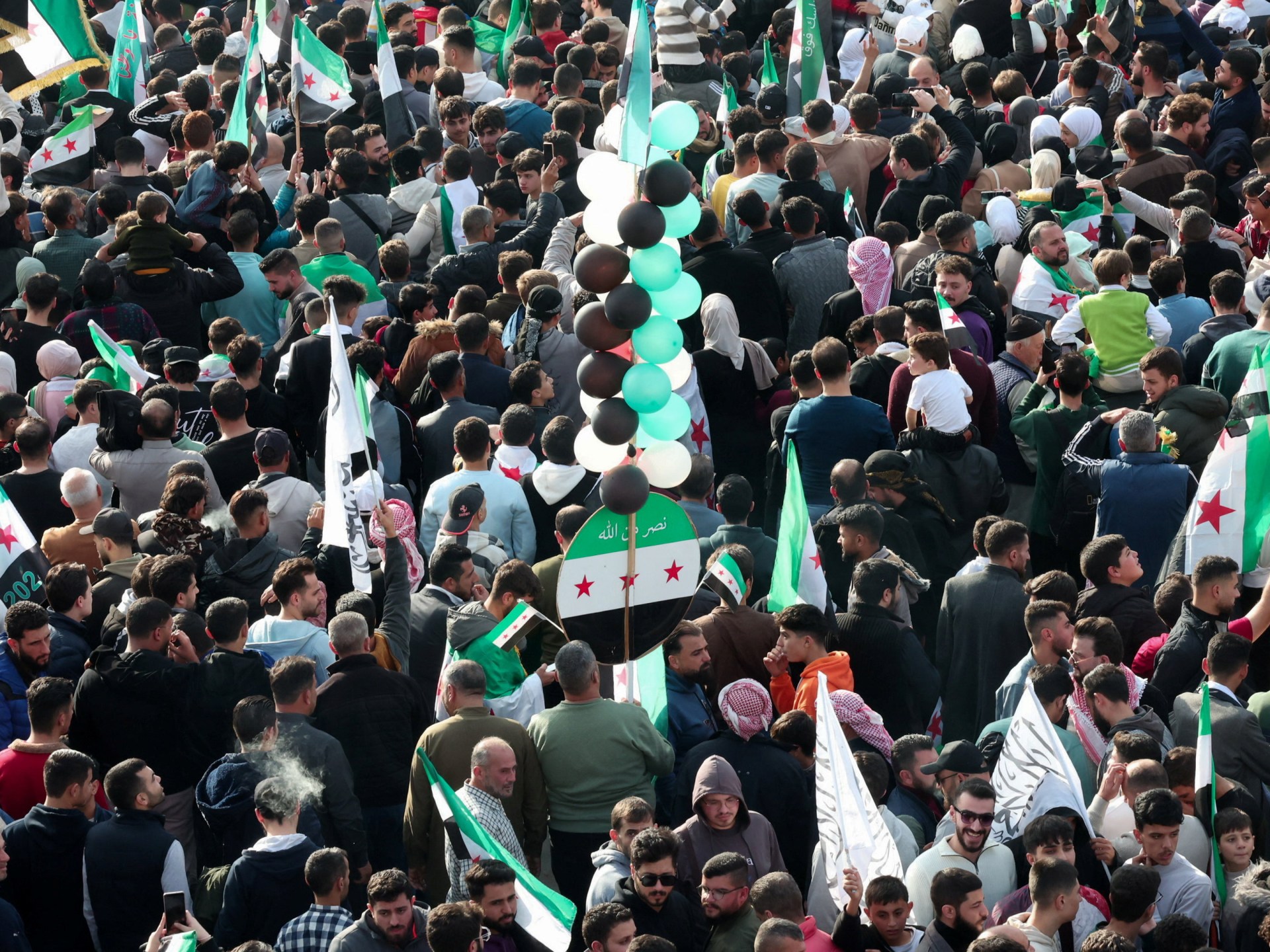
The announcement on Friday comes as Syria prepares to mark one year since the toppling of longtime ruler Bashar al-Assad.
- list 1 of 4Five key takeaways from Trump’s National Security Strategy
- list 2 of 4Crowds gather in Hama, Syria, to celebrate one year of liberation
- list 3 of 4Al-Assad inner circle plotting Syrian uprisings from Russian exile: Report
- list 4 of 4Syria’s Hama full of ‘hope, joy’ one year after al-Assad forces’ exit
end of list
Canada’s foreign ministry said it was also revoking the “terrorist” designation for Hayat Tahrir al-Sham (HTS), the group that spearheaded the alliance that helped remove al-Assad.
In a statement, the ministry said the decisions were “not taken lightly”.
“These measures are in line with recent decisions taken by our allies, including the United Kingdom and the United States, and follows the efforts by the Syrian transitional government to advance Syria’s stability, build an inclusive and secure future for its citizens, and work alongside global partners to reinforce regional stability and counter terrorism,” it said.
Canada had listed Syria as a “state supporter of terrorism” in 2012, as al-Assad’s crushing of pro-democracy protests plunged the country into civil war.
HTS had been widely sanctioned over its links to al-Qaeda, but several Western states have delisted the group to allow for better collaboration with the new Syrian government.
Since taking power, Syria’s new leaders have sought to break from their violent past and present a more moderate image to Syrians and foreign powers.
The ministry said it was still maintaining sanctions on 56 Syrian individuals, including former officials from al-Assad’s former government and members of the toppled president’s family.
Advertisement
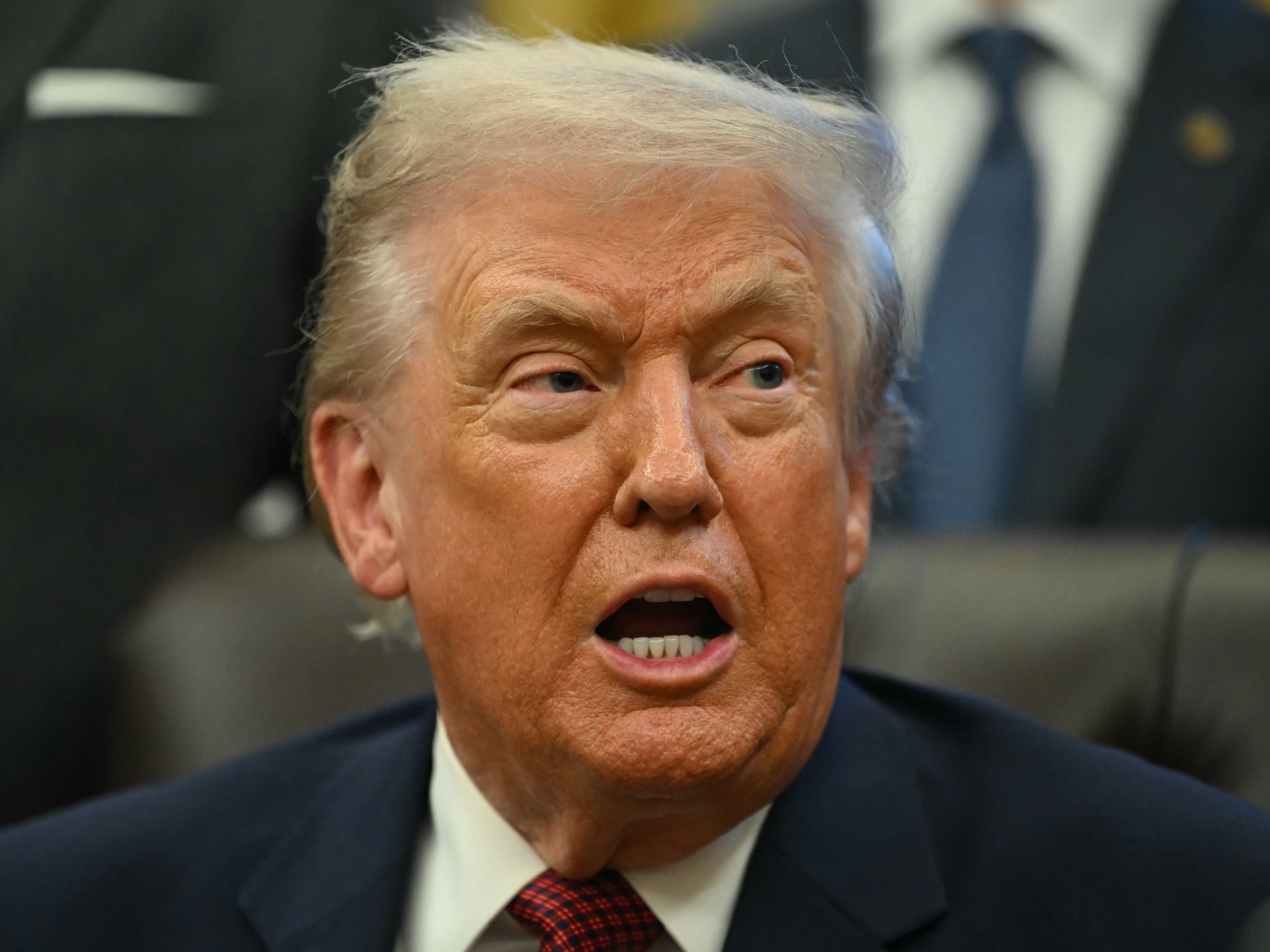
The US partially suspended sanctions against Syria in June and then extended the suspension in November, following talks between al-Sharaa and his American counterpart, Donald Trump, at the White House.
Days before that meeting, the US had said that al-Sharaa was no longer a “specially designated global terrorist”.
Al-Sharaa, who once led al-Qaeda’s branch in Syria, split from the group in 2016.
Since removing al-Assad, al-Sharaa has further reinvented his image, dropping the alias Abu Mohammed al-Julani for his birth name and promoting a tolerant and inclusive Syria.
The interim leader also addressed the United Nations General Assembly earlier this year, saying that his country is “reclaiming its rightful place among the nations of the world” and has sought to strengthen economic ties with the US and the European Union.
Related News
Lebanon and Israel hold first direct talks in 40 years as war fears rise
‘Enough repression’: Thousands of Tunisians protest against Kais Saied
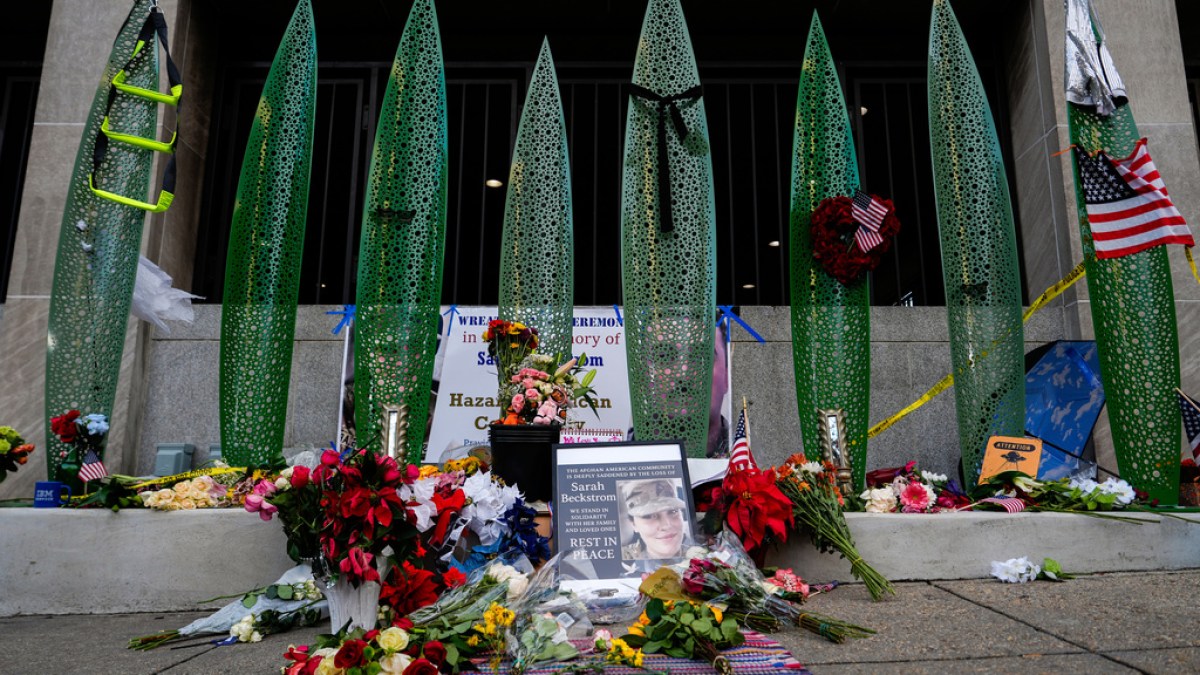
Suspect in US National Guard shooting pleads not guilty