Cuba says Vincentian students supported despite pressures on education system
 13 May 2026

By S.Browne. Updated 4:51 p.m., Wednesday, May 13, 2026, Atlantic Standard Time (GMT-4).
The Cuban government says Vincentian students studying in Cuba continue to receive academic and welfare support despite ongoing economic difficulties affecting the country’s education system.
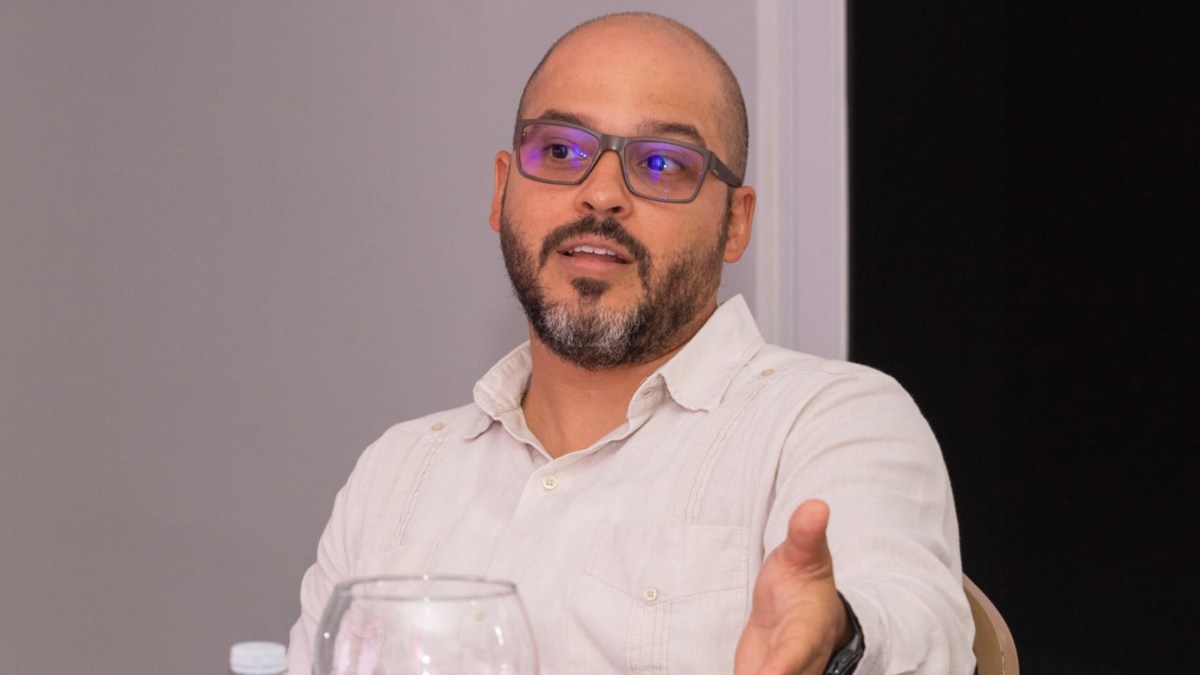
The assurance came from Cuba’s Ambassador to St Vincent and the Grenadines, His Excellency Carlos Ernesto Rodríguez Etcheverry, during an interview with One News SVG on Wednesday, May 13, 2026.
According to the Ambassador, 45 Vincentian students are currently studying in Cuba, particularly in the field of medical sciences.
“The number of Vincentian currently studying in Cuba is 45, particularly in medical sciences,” he said.
Rodríguez Etcheverry noted that Cuba has historically provided scholarships to students from St Vincent and the Grenadines, especially in medicine and other professional fields, adding that more than 310 Vincentians have graduated from Cuban institutions over the years.
He said students continue to receive accommodation, tuition and healthcare support through existing scholarship arrangements, despite the country’s wider economic challenges.
“The Cuban government guarantees that international students have access to free medical care, university support systems, and coordination through embassies and educational institutions,” the Ambassador stated.
He also said both Cuban and Vincentian foreign ministry officials remain in regular contact with Vincentian students studying on the island.
The Ambassador’s comments come as Cuba continues to experience economic pressures affecting several sectors, including education.
According to Rodríguez Etcheverry, U.S. sanctions have negatively affected access to technology, educational materials, laboratory equipment, fuel, transportation and infrastructure maintenance within the education system.
He said financial restrictions have made it difficult to acquire computers, scientific instruments, textbooks and spare parts through international markets, while electricity shortages and transportation disruptions have also affected schools and universities across the country.
Despite these challenges, the Ambassador said Cuba remains committed to maintaining free and accessible education and protecting the welfare and academic continuity of foreign students studying there.
Related News
No Move to End Medical Cooperation Programme, Says Cuban Ambassador
Calliaqua homicide takes a twist as gun, cash & substance found at victim’s home
SVG Strengthens Cruise Tourism Push at Seatrade