
By S.Browne. Updated 5:15 p.m., Thursday, July 2, 2026, Atlantic Standard Time (GMT-4).
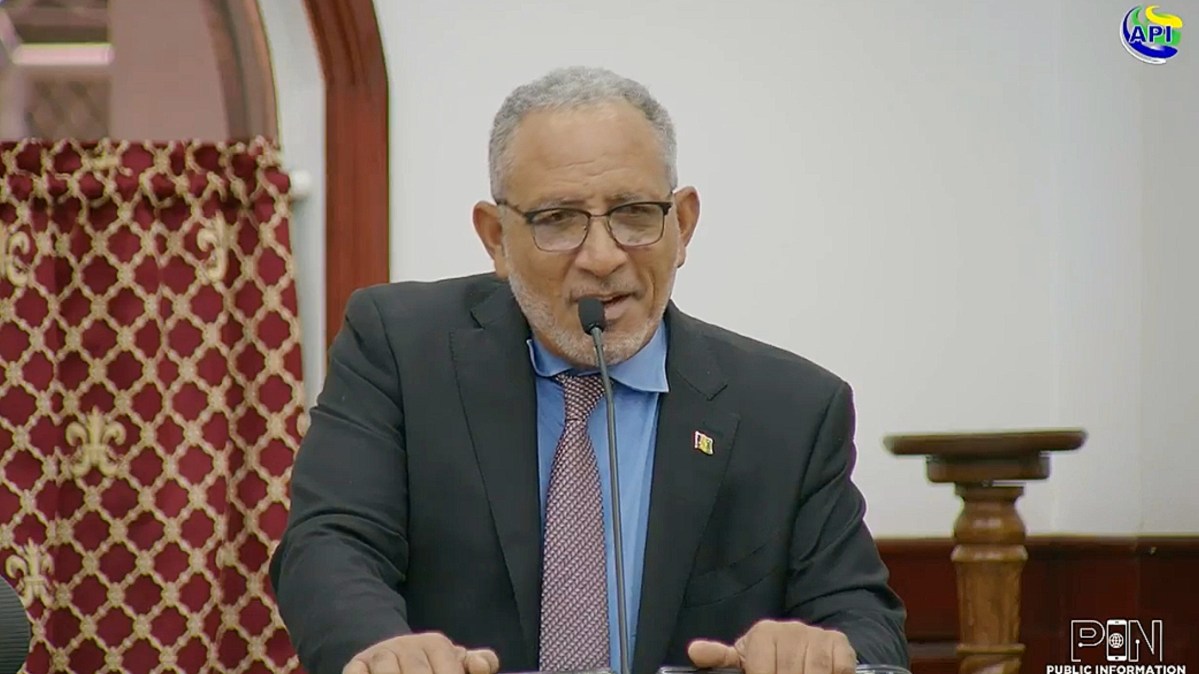
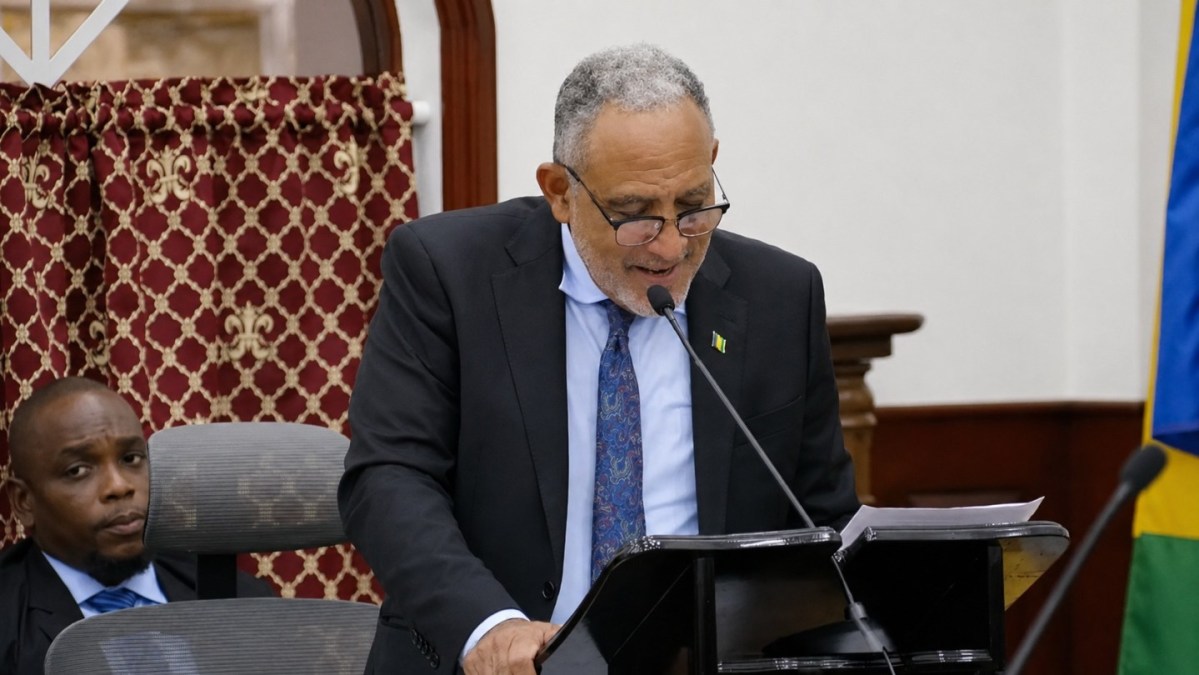
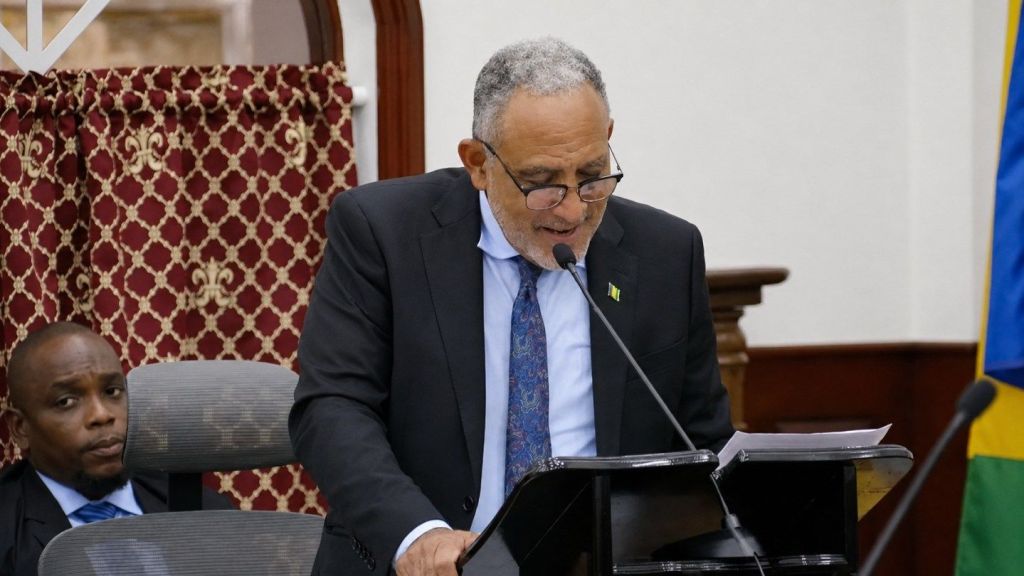
The Government of St Vincent and the Grenadines has effectively absorbed EC$11.85 million under the country’s bonus-malus fuel pricing mechanism to cushion motorists and businesses from the full impact of rising international oil prices, Prime Minister Dr Godwin Friday told Parliament on Thursday.
Responding to a question from Opposition Leader Dr Ralph Gonsalves, Friday said the net figure represented the amount the Government had effectively borne by keeping regulated fuel prices below the wholesale cost paid by importers.
“I want to do it as a total between Sol and Rubis. The amount that the government owes is, to the companies in total, $11,854,070.45,” Friday said.
He explained that the figure reflected the difference between the amount owed to Sol EC Ltd and the amount still payable to the Government by Rubis.
“This is, of course, because we owe Sol $15 million and Rubis still has, in a sense, a credit of $3.1 million.”
Friday said the net amount represented the Government’s effort to shield consumers from the full effect of higher fuel prices.
“That $11.8 million, effectively, is what the government has been holding the price down, in a sense, and subsidising the public,” he said.
The Prime Minister explained that the bonus-malus mechanism is a long-standing arrangement between the Government and the country’s two approved fuel importers covering dutiable sales of gasoline and diesel. Aviation fuel and liquefied petroleum gas (LPG) are excluded from the arrangement.
Under the mechanism, the Government regulates wholesale and retail fuel prices. Where an importer’s wholesale cost exceeds the regulated price, the Government reimburses the difference through a “malus”. Where the wholesale cost falls below the regulated price, the importer pays the difference to the Government as a “bonus”.
Friday told Parliament that, as at April 30, 2026, the Government owed Sol EC Ltd EC$15,022,621.67, while Rubis had EC$3,168,551.22 payable to the Government.
He said the increasing liability reflected continued volatility in international oil markets.
“The realities of the international economic and trading situation with respect to oil creates continuing hardship for us, as a government, to absorb the increases indefinitely,” he said.
He added that the Government had deliberately chosen not to pass the full increase in fuel costs on to consumers.
“During that time, the government essentially passed through a portion to the consumer but also held back so that the overall cost would not be too onerous on the public,” Friday said.
The Prime Minister also told Parliament that bonus-malus statements for May and June had not yet been verified and were therefore not included in the figures presented to the House.
During a supplementary question, Gonsalves sought information on the benchmark wholesale price used by the Government in setting fuel prices. Friday declined to speculate on future liabilities, saying the Government would make “a facts-based decision” once the relevant information for May, June and July became available.
END
Related News

Belmont Man Builds Career at Taiwan’s Tech Giant
Gonsalves holds regional talks on food security, reparations and Caribbean cooperation

Government Puts Food Import Reduction at Centre of 2027 Agriculture Budget