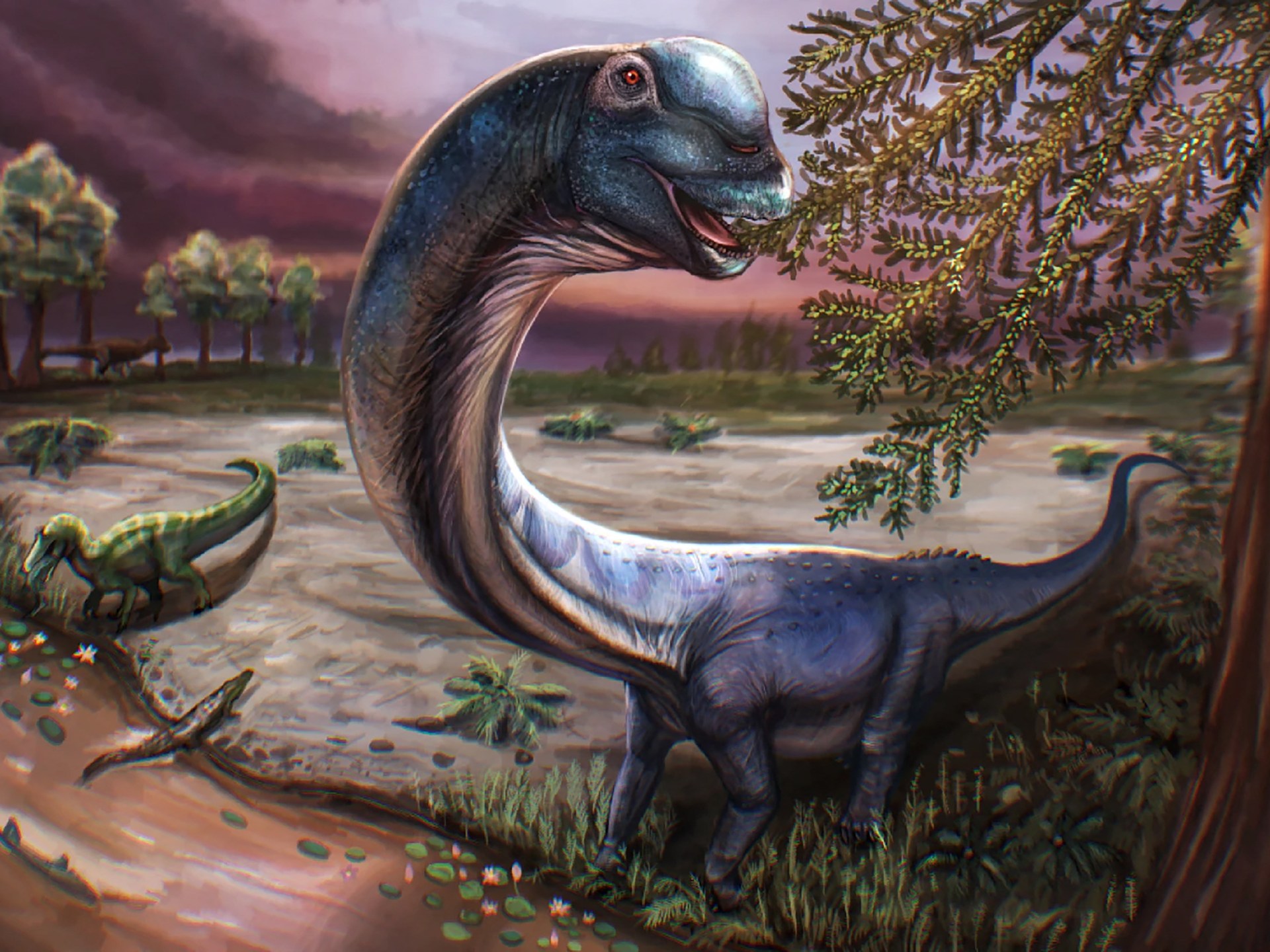

Scientists have identified the remains of a massive new species of dinosaur in Thailand, estimated to have weighed as much as nine adult elephants.
“Nagatitan chaiyaphumensis” is the largest-known dinosaur from Southeast Asia, and a member of the dinosaur lineage called sauropods, known for having long necks and tails, small heads and four columnar legs, according to a report published on Thursday in the Scientific Reports journal.
- list 1 of 3Philippine Congress impeaches VP Sara Duterte for second time
- list 2 of 3Thailand’s Thaksin Shinawatra released from prison
- list 3 of 3Dinosaurs to supercrocs: Niger’s bone keepers preserve its ancient fossils
end of list
The herbivore stretched 27 metres (89 feet) and weighed about 27 tonnes, according to the study referenced in the report.
The dinosaur is likely to have roamed what is now Thailand between 100 and 120 million years ago and is the largest ever found in Southeast Asia, researchers said.
Its head and teeth were not among the fossils recovered, but researchers have a good idea of its feeding preferences based on other sauropods.
“Nagatitan was probably a bulk browser that focused on consuming high volumes of vegetation that required little to no chewing such as conifers and possibly seed ferns,” said Thitiwoot Sethapanichsakul, a University College London PhD student in palaeontology and lead author of the research.
Sauropods were some of the largest recorded land animals in Earth’s history.
“Our dinosaur is big by most people’s standards. It likely weighed at least 10 tonnes more than Dippy the Diplodocus,” said Sethapanichsakul, referring to the enormous composite cast previously on display at London’s Natural History Museum.
The Thai PhD student called the newly discovered sauropod “the last titan” because it was unearthed in one of the youngest rock formations where dinosaurs have been found in Thailand.
Advertisement
He added that it’s fitting to call Nagatitan Southeast Asia’s last “titan” because the region became a shallow sea in the Cretaceous period, meaning no more sauropods would live there.
Nagatitans belonged to a subgroup of sauropods that originated about 140 million years ago, and about 90 million years ago, they became the only sauropods left worldwide, thriving until the dinosaur age ended 66 million years ago with an asteroid impact.
The first remains of the enormous creature were unearthed a decade ago by locals in northeast Thailand, but the excavation was not completed until 2024, according to the study.
The remains partially resembled those of previously discovered sauropods, but had enough unique features to be considered a new species.
Nagatitan’s name references Naga, a serpent-like being in some Asian religious traditions that is prominently depicted in various Thai temples. In all, there are 14 known named dinosaurs from Thailand.
A life-size reconstruction of Nagatitan chaiyaphumensis is on display at Bangkok’s Thainosaur Museum.
Related News

South Africa plans presidential impeachment probe over ‘Farmgate’ scandal
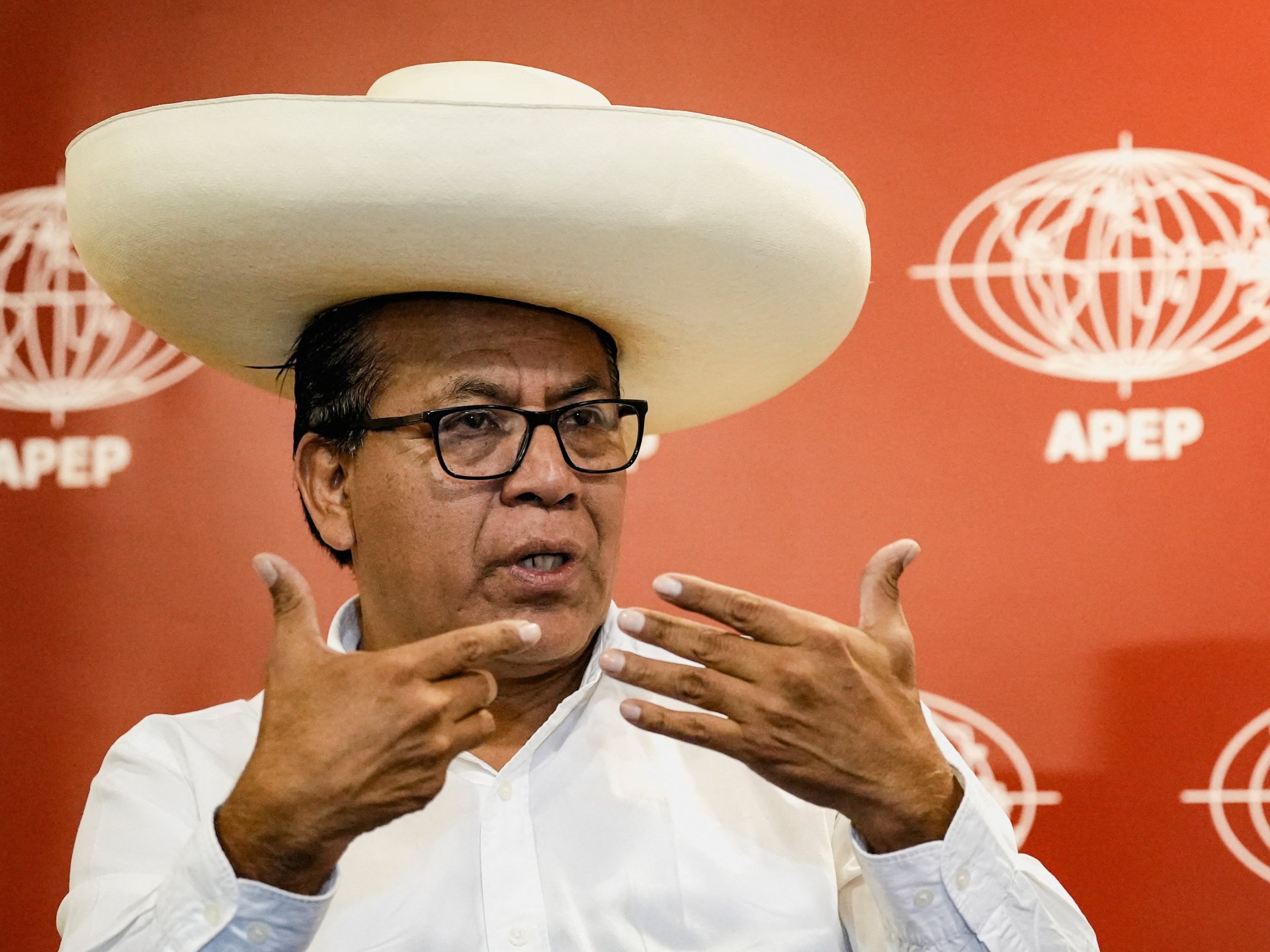
Peru presidential candidate Roberto Sanchez charged with financial crimes

Trump-Xi meeting: Could China, US form a ‘G2’?