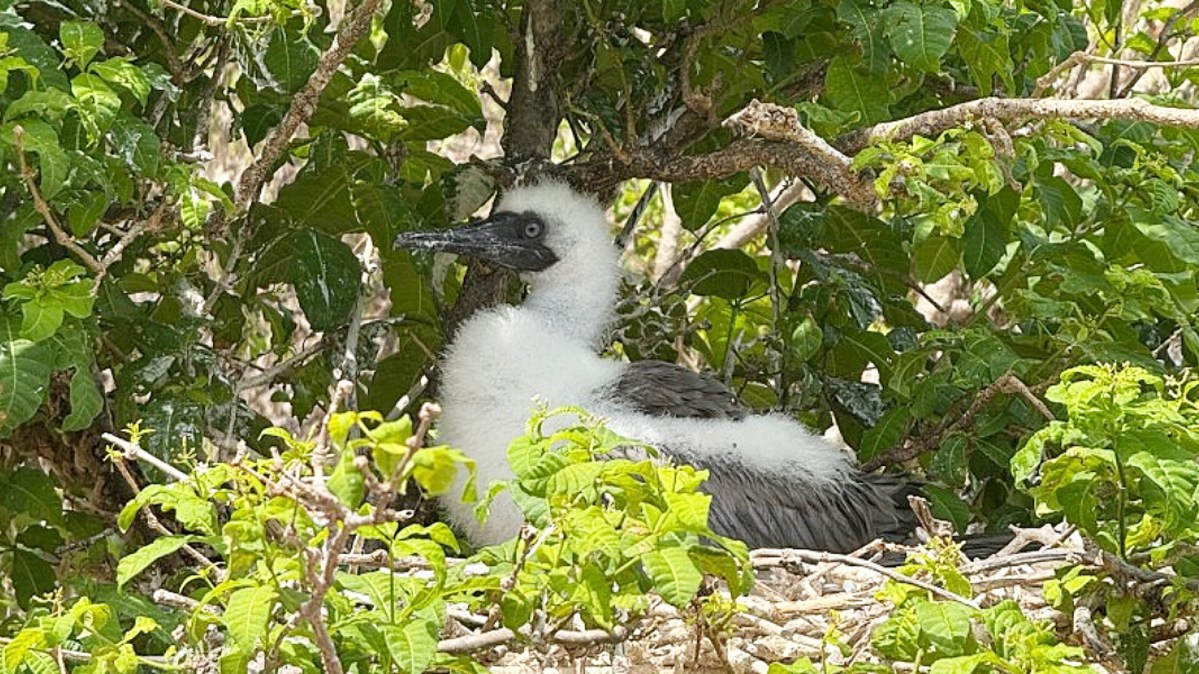


Habitat in St. Vincent and the Grenadines
Environmental Protection in the Caribbean.

By S.Browne. Updated 10:54 a.m., Thursday, September 3, 2026, Atlantic Standard Time (GMT-4).
Saint Vincent and the Grenadines has lifted its ban on bird imports, ending a restriction imposed in 2011.
The Ministry of Agriculture, Forestry and Rural Transformation announced the decision on Wednesday, September 2, 2026, with immediate effect.
The ban was introduced to prevent avian diseases, including avian influenza and Newcastle disease, from entering the country and to protect the poultry sector and the native St Vincent Parrot, Amazona guildingii.
“At the time of the ban, the national diagnostic and surveillance capacity was limited,” the Ministry said.
It said investments in laboratory testing and regional cooperation have since strengthened the country’s capacity to manage animal-health risks.
Bird imports will now be permitted subject to veterinary safeguards.
Importers must obtain a veterinary health certificate from the exporting country.
Imported birds must undergo a minimum 28-day quarantine at an approved facility and laboratory testing for avian pathogens before release.
Importers must also comply with national biosecurity standards.
The Ministry said the measures replace the outright prohibition with a controlled importation system.
The World Organisation for Animal Health (WOAH) identifies veterinary certification, biosecurity, quarantine and targeted restrictions as measures for managing risks associated with avian influenza and other animal diseases.
WOAH also highlighted in May 2026 the importance of strengthened biosecurity and quarantine systems for the safe movement of live birds.
SVG has previously used import restrictions to protect its poultry industry and prevent animal diseases from entering the country.
In December 2020, the Ministry imposed a temporary ban on commercial poultry, hatching eggs and certain poultry products following outbreaks of highly pathogenic avian influenza in the United Kingdom. Personal imports of live birds, feathers and foods containing poultry products were also prohibited.
The lifting of the ban does not mean disease risks have been eliminated.
“The Veterinary Services Division now has trained personnel, diagnostic facilities and emergency response mechanisms to detect and contain avian diseases,” the Ministry said.
According to the Ministry, CARICOM and OECS partners permit controlled bird imports under certification and quarantine protocols. Harmonised requirements are expected to reduce trade barriers and support regional integration.
Controlled imports could also support pet ownership, pet shops, veterinary services, diaspora links and tourism.
The reopening does not provide unrestricted access. Birds entering SVG must complete the required certification, quarantine and testing process before release.
The St Vincent Parrot, which is endemic to SVG and the country’s national bird, was identified by the Ministry as one of the reasons for the original ban.
The effectiveness of the new system will depend on continued enforcement of the veterinary, quarantine, testing and biosecurity requirements.
END


Related News

A fulfilling experience’: BABI participants reflect as first cohort concludes
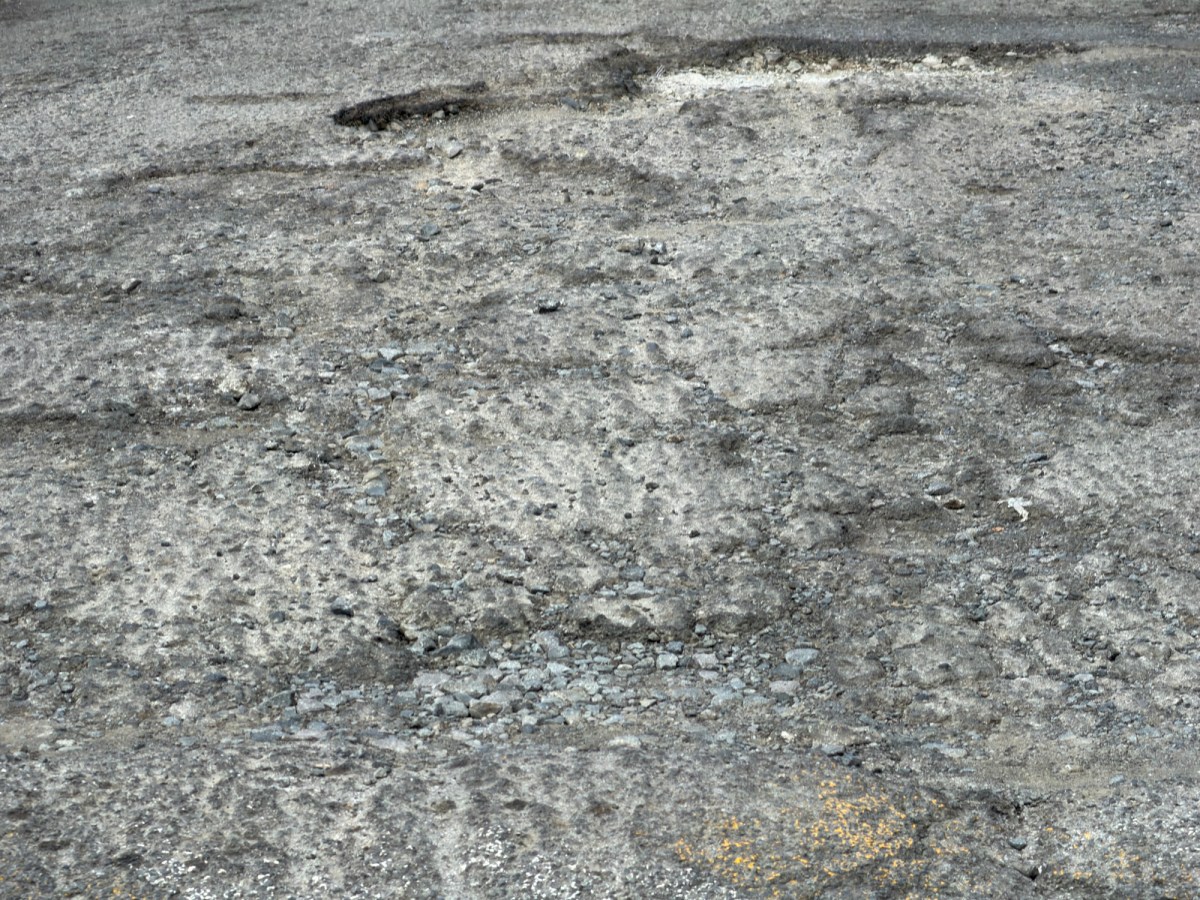
Road crisis sparks threat of van strike in Central Kingstown
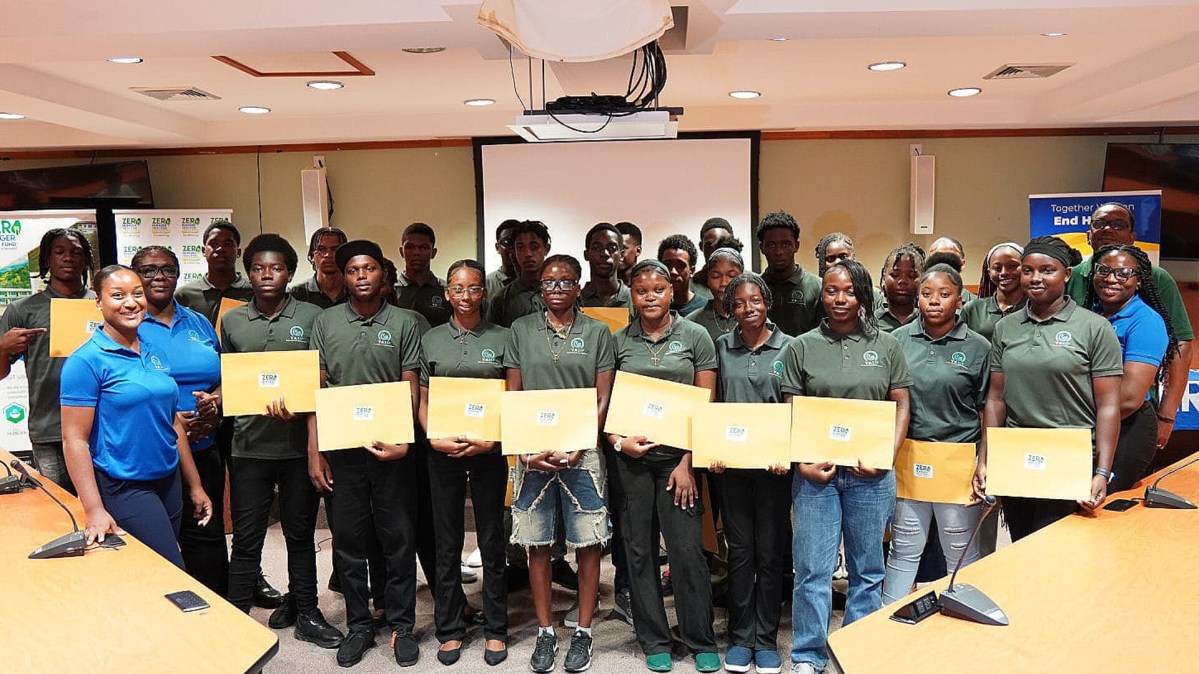
35 young Vincentians complete agriculture internship programme