The Illegal Slave Trafficker’s Son Who Became The World’s First Guyana Born Black International Footballer
 27 August 2026



By NAN Staff Writer, NewsAmericas Now
News Americas, GEORGETOWN, Guyana, Fri. August 27, 2026: New historical evidence reveals a British company illegally trafficked enslaved Africans into Guyana 40 years after Britain banned the practice, while the same man running that operation later fathered a son with a local Guyanese woman, a son who would go on to become the first Black man ever to captain a national football team.
An 1847 letter unearthed by author Malik Al Nasir for his book Searching for My Slave Roots shows Peter Miller Watson, who managed Sandbach, Tinne and Company’s interests in Demerara, informing the firm’s Liverpool office that a ship called the Parker had arrived carrying “115 adult males, 86 adult females, 82 under 14 years, and 41 under 4 years,” describing them as “cargo” and attributing deaths during the voyage to “the wretched state in which they had lived ashore,” language Al Nasir says makes clear these were people illegally trafficked from Africa, not liberated or indentured laborers.
The irony history nearly erased

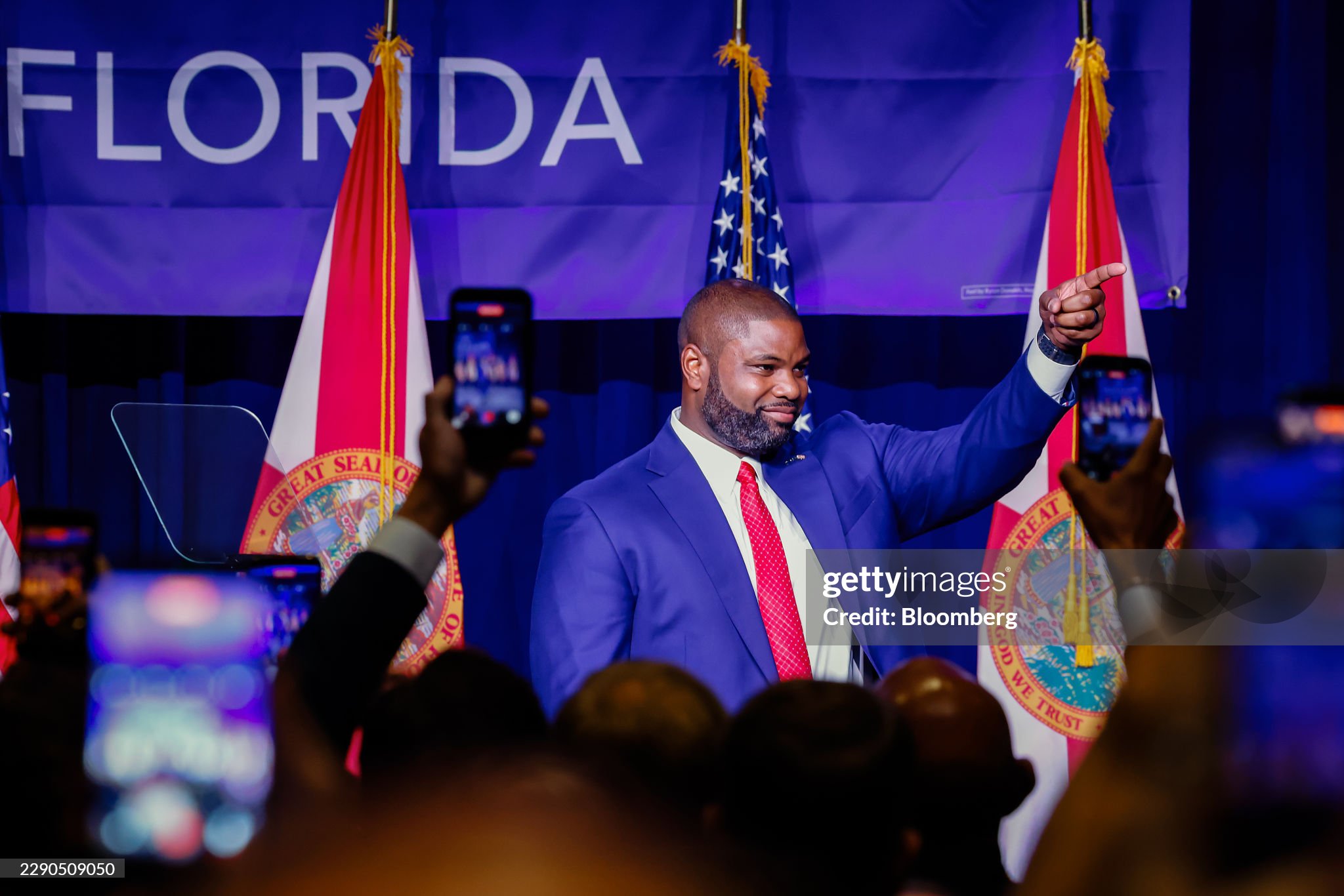
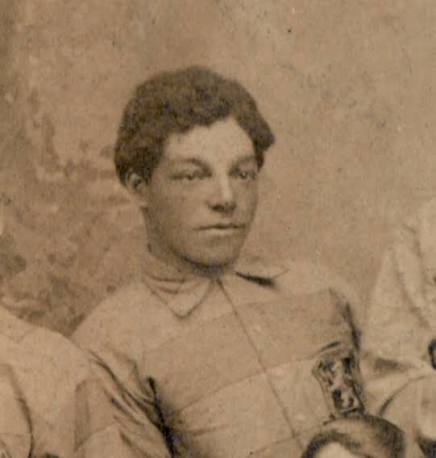
Nine years after that letter, in 1856, Watson fathered a son, Andrew, with a Guyanese woman named Hannah Rose. Andrew Watson would go on to become the world’s first Black international footballer, born in Guyana, or then British Guiana, captaining Scotland to a 6-1 victory over England in 1881, still England’s heaviest home defeat in history, and becoming the first Black man to win a major domestic cup and the first Black football administrator. Watson won three international caps for Scotland. His first cap came against England in London on 12 March 1881, in which he captained the side. A few days later, Scotland played Wales and won 5–1, with Watson captaining Scotland again.
Watson’s last cap came against England in Glasgow on 11 March 1882. This was a 5–1 victory again to Scotland. Watson moved to London in the summer of 1882, which effectively ended his international career as the SFA only picked players based in Scotland at this time.
The next non-white person to receive a full international cap for Scotland was Paul Wilson in 1975. The next black person selected to play for Scotland after Andrew Watson was Nigel Quashie in 2004, 123 years later. He also became the first non-white player to score for the Scotland senior team.
The son of a man illegally trafficking enslaved Africans into Guyana would grow up to shatter a color barrier in the sport that continues to matter today. History largely forgot both stories until now.
Compensation for the enslavers, not the enslaved
By the time of the 1847 letter, Sandbach Tinne, run by the Sandbach and Tinne families alongside relatives in the Gladstone family (father of British Prime Minister William Gladstone), had already collected compensation worth millions in today’s money for the “loss” of the people they’d previously enslaved, before the same operation kept trafficking new victims illegally. Sandbach Tinne received the second-largest aggregate compensation payout in the entire scheme. British taxpayers only finished paying off the debt used to fund those compensation payments in 2015, meaning generations of ordinary Britons paid for slaveholders’ losses long after the people actually enslaved, and their descendants, received nothing.
“John Gladstone… got the biggest single individual payout, while Sandbach Tinne got the second largest on aggregate, both were among architects of the compensation scheme,” Al Nasir said. An 1823 uprising by enslaved abolitionists in Demerara, a pivotal moment in the fight against slavery, began on a plantation owned by that same Gladstone family.
A new research project, and an old debt still unresolved
The discovery has prompted a new research initiative, Overwriting-Underwriting, launching at the Museum of Liverpool, examining the financial networks that sustained slavery and its aftermath. Descendants of both the Sandbach and Gladstone families have since apologized for their ancestors’ roles.
For Guyana, and the wider Caribbean, the timing lands squarely inside an active regional reckoning: CARICOM’s ongoing reparations push, and renewed attention to how thoroughly Britain compensated enslavers while leaving the enslaved, and their descendants for generations after, with nothing at all.
NewsAmericasNow will continue tracking developments in the Caribbean’s reparations movement.
RELATED: As Africa And The Caribbean Demand Reparations, A New Book Shows The British Crown Was The Architect – Not Just A Bystander
Related News
CCJ President Breaks Silence: Denies Influencing Mohamed Ruling, But Admits Guyana Meddlin...
Supreme Court’s Liberal Justices Say Trump’s Haiti TPS Decision Was Racially Motivated...
Byron Donalds Could Become The First Black And First Caribbean Heritage Florida Governor