

By Val Matthias. Updated 1:54 p.m., Tuesday, March 3, 2026, Atlantic Standard Time (GMT-4).
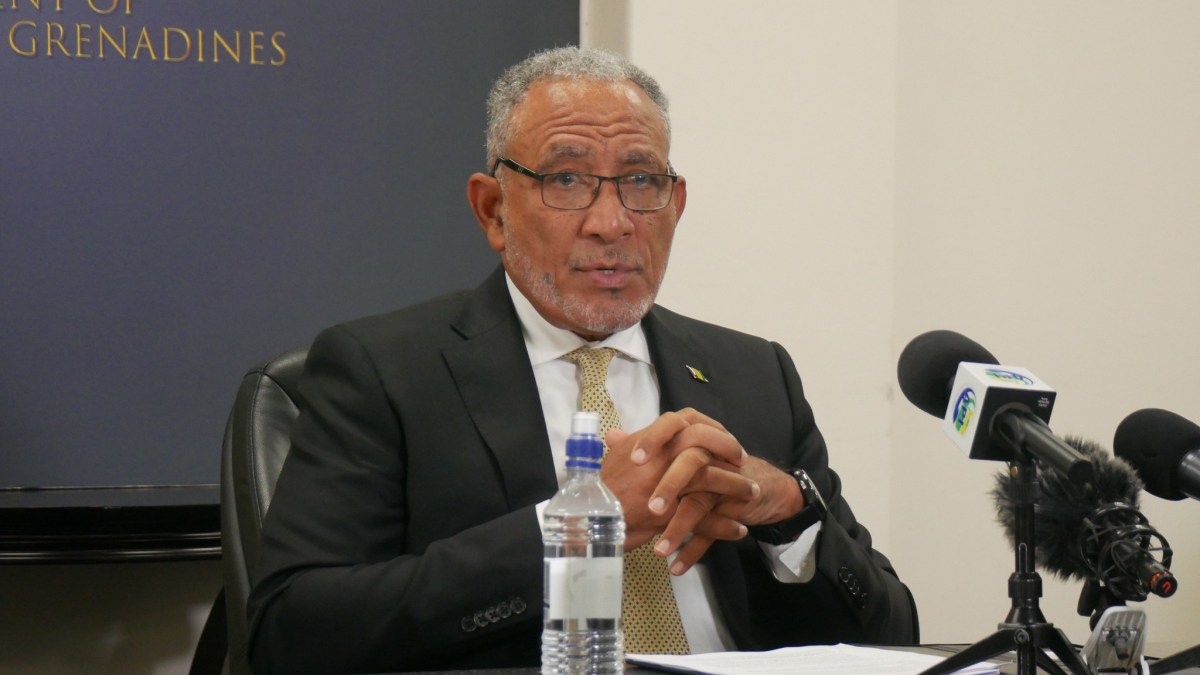
Prime Minister Dr. Godwin Friday has confirmed that CARICOM leaders are preparing to extend humanitarian assistance to Cuba, as the island grapples with one of its most severe crises in decades.
Speaking at a press conference following the 50th Regular Meeting of the Conference of Heads of Government in St. Kitts and Nevis, Dr. Friday said the initiative will be coordinated through the CARICOM Secretariat, with St. Vincent and the Grenadines contributing to the regional effort.
“We are concerned about this situation, the deteriorating situation there. And so, as part of the CARICOM initiative and program, we will also play our part and contribute with respect to providing necessary humanitarian assistance to Cuba,” Dr. Friday stated. He did not provide a timeline or details of the aid package but stressed the importance of regional solidarity.

Cuba’s crisis has intensified since late 2025, when Hurricane Melissa devastated infrastructure and compounded long-standing economic challenges. In early 2026, new U.S. sanctions disrupted oil shipments to the island, sparking widespread fuel shortages. The shortages have led to rolling blackouts, crippled public transport, and strained hospitals already struggling with limited supplies. Food insecurity has worsened, with rationing and long queues becoming daily realities for Cuban families.
The United Nations has warned of “acute humanitarian risks,” while Canada recently pledged $8 million in food aid to help ease shortages. Civil society groups inside Cuba have reported growing frustration, with sporadic protests highlighting the urgency of relief.
For CARICOM, the decision to mobilise aid reflects both historic ties and contemporary responsibility. Several member states, including St. Vincent and the Grenadines, have longstanding bilateral relationships with Cuba, particularly in healthcare and education. The regional bloc’s move to coordinate assistance underscores its commitment to collective action in times of crisis.
END





Related News
Police Encourage Fishermen to remain in communication at sea amid U.S. Military activities
Young Vincentian Sailor Shines with Bronze at Martinique Regatta
SVG Receives $2M in Equipment to Strengthen Sargassum Management