Climate crisis puts SVG, C’bean children on the frontline, UNICEF study finds
 17 September 2026
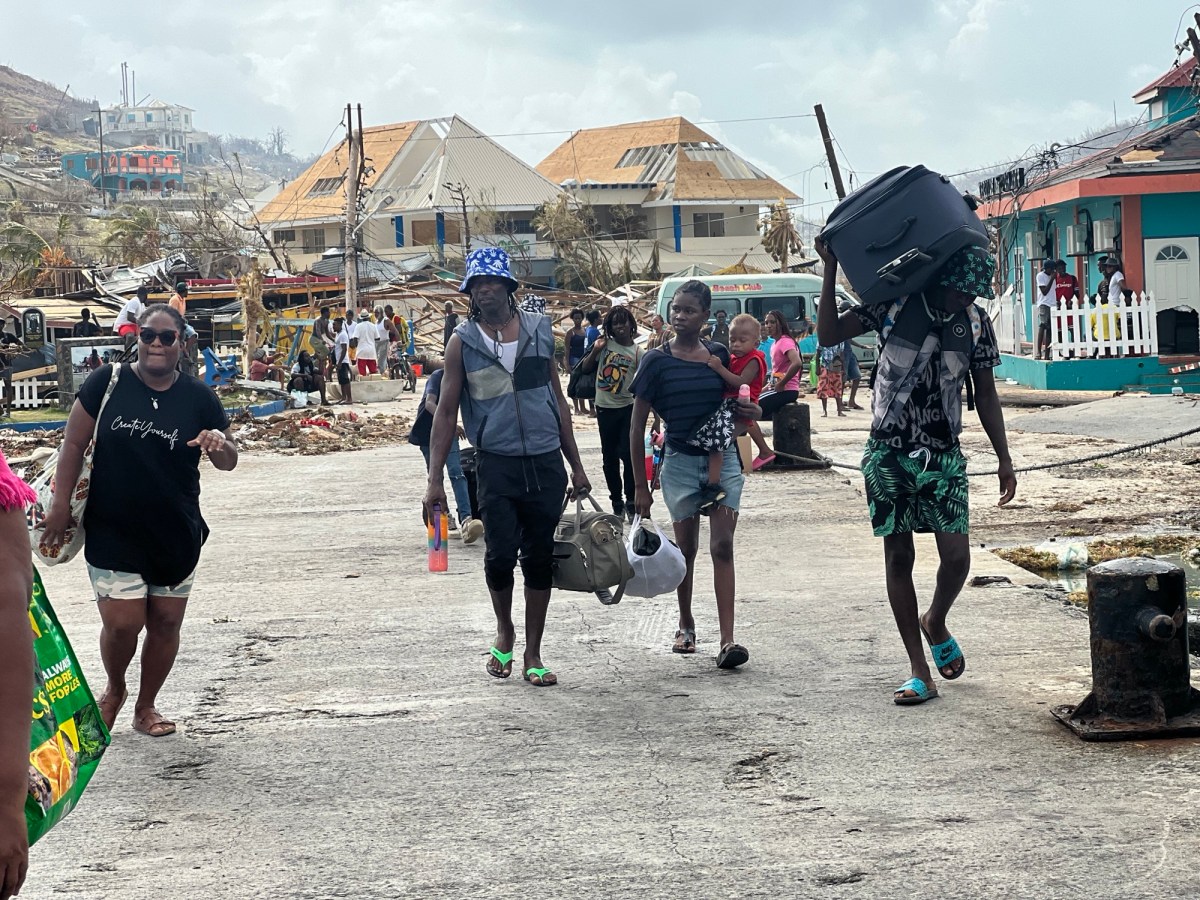



176,000 children and young people under 18 across six Eastern Caribbean countries face growing exposure to climate hazards
By Admin. Updated 7:07 p.m., Thursday, September 18, 2026, Atlantic Standard Time (GMT-4).
Children in St Vincent and the Grenadines and five other Eastern Caribbean countries are increasingly being placed on the frontline of the climate crisis, with a new UNICEF analysis warning of mounting risks to their health, education, livelihoods and overall wellbeing.
The Child-Centred Climate Analysis for Building Resilience: Climate Trend and Socioeconomic Impact Analysis in the Eastern Caribbean estimates that 176,000 children and young people under 18 live across the six countries covered by the assessment — Barbados, Dominica, Grenada, Saint Kitts and Nevis, Saint Lucia, and St Vincent and the Grenadines.


The study found that 35 per cent of children are already exposed to three or more climate hazards.
That exposure is expected to increase significantly.
By mid-century, between 85 and 95 per cent of children in the six countries could face three or more simultaneous climate hazards, according to the analysis.


The findings were presented during a child-focused workshop for media workers at Bay Garden Hotel in Saint Lucia on September 16.
Climate risks are already being felt.
The report describes the Eastern Caribbean as being on the frontline of the global climate crisis, with intensifying hurricanes, prolonged drought, heat stress and rising seas already affecting daily life.
The region is warming, with average air temperatures increasing by 1.0 to 1.4°C, while the number of hot days could increase by 50 to 82 days a year by mid-century.

Under a high-emissions scenario, sea surface temperatures could rise by as much as 1.2°C.
The analysis also projects significant changes in rainfall and drought patterns.
Multi-year drought conditions have occurred since 2018, and by mid-century, drought conditions could occur during 28 to 32 per cent of the time — an increase of 7 to 10 percentage points compared with current conditions.
For tropical cyclones, the study estimates that the region could experience one major hurricane, Category 3 or higher, every five to six years, while rainfall associated with hurricanes could become 14 to 28 per cent more intense by mid-century.

The financial consequences are also substantial.
The analysis projects US$11 billion in annual climate-related losses by 2080.
Children face particular risks
Children and young people account for more than 22 per cent of the population across the six countries examined.
Their developing bodies make them more susceptible to heat stress, water-borne diseases and malnutrition, while their dependence on caregivers and public services means that disruptions to schools, clinics and household livelihoods can quickly affect their wellbeing.
The report also found that one in three children lives in poverty.
That vulnerability can become worse when climate-related disasters strike.
A damaged or closed school can mean lost learning. Drought can reduce household income and increase food insecurity. Disrupted health services can delay treatment, while prolonged emergencies can contribute to psychosocial distress and trauma.
The analysis identifies immediate impacts including learning loss, illness, injury and interruptions to essential services.
Over the medium and longer term, children may face increased risks of school dropout, reduced educational attainment, deferred healthcare, malnutrition, psychosocial distress and trauma.
The report points out that the effects of a climate disaster extend beyond the immediate economic cost.
For example, while a major hurricane can cause enormous damage to a country’s economy, children can also lose months of schooling, experience increased disease and malnutrition, and suffer psychological consequences that may continue long after the disaster itself.
The risks can overlap
One of the study’s most significant findings concerns what it describes as compound risk, the possibility of children experiencing several climate hazards at the same time.
Currently, 35 per cent of children are exposed to three or more hazards.
By mid-century, that figure could rise to 85–95 per cent.
The study says its assessment combines detailed climate records, future climate projections and local socio-demographic information to identify the geographic areas where children, schools, health facilities and livelihoods are most at risk.
The intention is to help governments identify where targeted investment could interrupt the chain between a climate hazard and harm to children before the damage becomes irreversible.
Three priorities for 2028–2029
Against that backdrop, the UNICEF analysis identifies three priority areas for 2028–2029, based on their potential impact on children and their feasibility for financing.
One priority is child-focused disaster-risk financing, with the report recommending specific allocations for services critical to children, including schools, primary healthcare, nutrition and social protection.
The analysis also calls for pre-agreed education and heat-health continuity protocols that can be activated when hurricane warnings are issued or specified temperature thresholds are reached. The measures could include remote learning, pre-positioned learning materials, adjusted school schedules, hydration measures and alternative arrangements for emergency shelters.
A third priority is youth-led psychosocial support. The study proposes establishing youth peer-support networks and training teachers, healthcare workers, religious organisations and youth advocates in Psychological First Aid before disasters occur. It also recommends trauma-informed programmes to support children returning to school after a disaster, as well as greater involvement of young people in disaster-risk teams.
For St Vincent and the Grenadines, the findings bring the climate conversation directly into the lives of children and families.
The issue is no longer only about stronger hurricanes, hotter days or rising seas. It is also about whether a child can get to school, whether there is enough food at home, whether healthcare remains accessible and whether that child receives the support needed after a disaster.
With the proportion of children facing three or more climate hazards potentially rising from 35 per cent today to between 85 and 95 per cent by mid-century, the analysis underscores the need for climate resilience planning to take the protection of children into account.
END


Related News
‘Stop This Foolishness Now’: Climate Expert Urges Halt to Canash Mangrove Clearing
Minister Gibson-Velox calls for balance on Kingstown vending
SVG Lifts Bird Import Ban as Veterinary Safeguards Improve