

By S.Browne. Updated 10:45 a.m., Wednesday, June 10, 2026, Atlantic Standard Time (GMT-4).
A young farmer’s account of losing more than 600 pounds of cucumbers due to market challenges highlighted concerns raised during a recent discussion on youth participation in agriculture in Saint Vincent and the Grenadines.
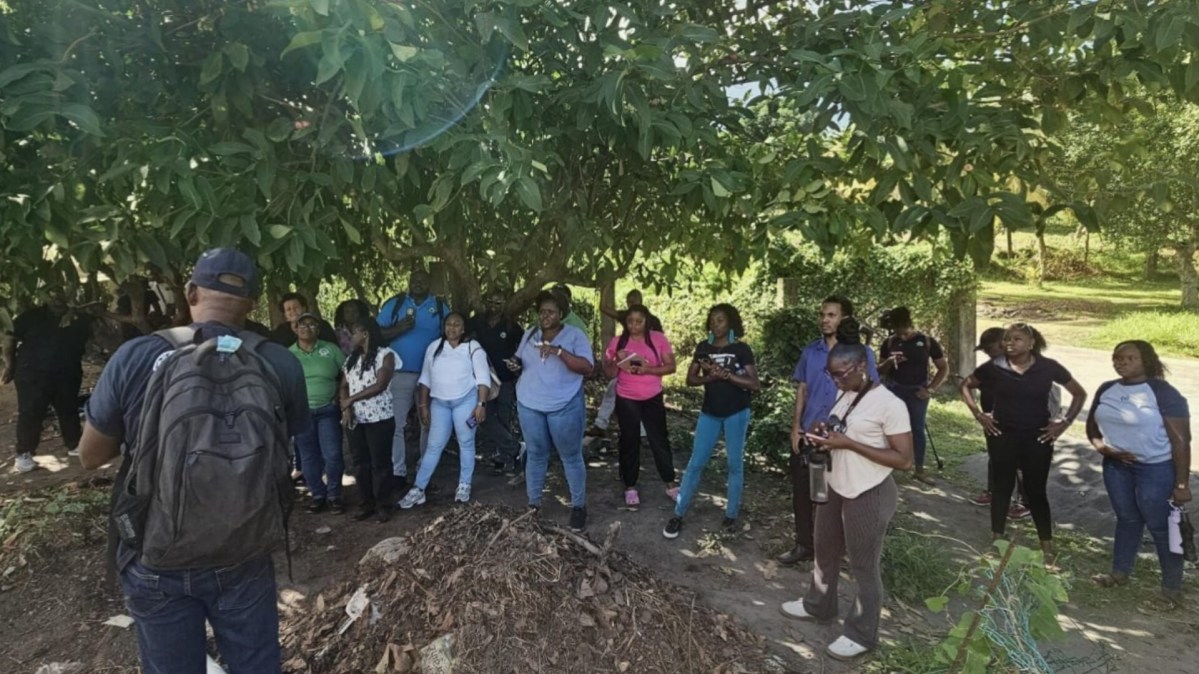
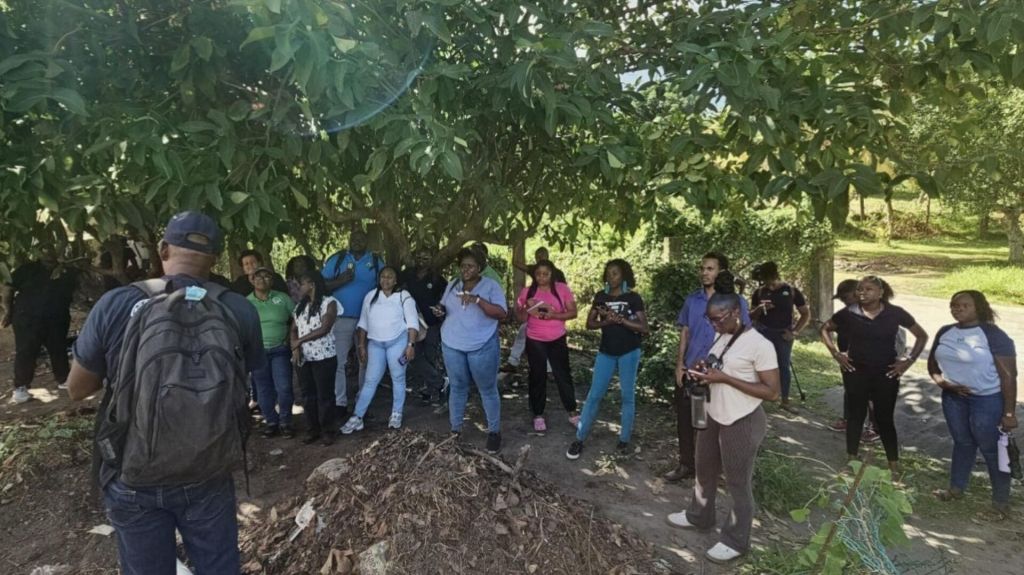
According to a release from the Food and Agriculture Organization of the United Nations (FAO), the issue was raised during a Youth and Gender Inclusion Working Session held on June 5 in collaboration with the Ministry of Agriculture, Forestry and Rural Transformation.
The session brought together 23 stakeholders from across the agrifood sector, including young people involved in farming, agribusiness and agricultural trade, as well as representatives from the Gender Affairs Division, civil society organisations and technical officers from the Ministry.
Among the participants was young farmer Dianza Selby, who spoke about the difficulties of securing reliable markets for agricultural produce.
“One time I lost over 600 pounds of cucumbers because I could not find a market for them. I supplied supermarkets, schools, charities and community members, but I still experienced significant losses, which was discouraging,” Selby said, according to the release.
FAO said Selby’s experience resonated with other young participants, who shared similar challenges and discussed ways they had adapted through value-added production, including the manufacture of pickles, hot sauces and other processed products. Participants also spoke about the use of public storage facilities to reduce post-harvest losses.
The organisation said discussions extended beyond market access and highlighted a range of barriers affecting young people in agriculture, including access to financing, land, transportation, training opportunities and decision-making spaces.

FAO Caribbean Gender Focal Point and Value Chain Technical Lead Juan Cheaz stressed the importance of ensuring that young people and women are included in efforts to transform agriculture.
“Young people are key drivers of innovation and transformation in agrifood systems. However, young women and men often face additional barriers to training, employment and leadership opportunities. By placing youth and gender as important subjects in our discussions, we can create more inclusive pathways for decent work, and a stronger future for agriculture in Saint Vincent and the Grenadines,” Cheaz said.
The importance of attracting more young people to the sector was also highlighted by Permanent Secretary in the Ministry of Agriculture, Colville King, who noted that only approximately 10 per cent of registered farmers in Saint Vincent and the Grenadines are youth.
“The future of agriculture depends on attracting young people and ensuring that they have a voice in shaping its development. We need the next generation of farmers, innovators, processors, marketers and entrepreneurs if agriculture is to remain sustainable and safeguard national food security,” King said.
Young agricultural trader Glenroy Thomas also emphasised the importance of involving young people in decisions affecting the sector.
“If decisions are made about young people, then young people should be part of those conversations from the beginning,” Thomas said.
According to the release, participants called for stronger support systems for young people and women entering and expanding within agriculture, including increased mentorship opportunities, technical assistance, improved access to resources and greater involvement in policy discussions.
FAO and the Ministry of Agriculture said they remain committed to ensuring that the experiences and perspectives of young women and men help to inform future programmes and initiatives within the sector.
END