


By S.Browne. Updated 7:37 p.m., Tuesday, July 21, 2026, Atlantic Standard Time (GMT-4).
The Opposition in St. Vincent and the Grenadines has supported legislation to provide compassionate gratuity to eligible non-pensionable public workers but is calling for additional safeguards, including a formal appeals process for employees who may wish to challenge decisions under the new law.
The Compassionate Gratuity for Daily and Minor Salaried Officers Bill was passed in the House of Assembly on Tuesday, July 21, 2026, after debate from Government and Opposition members.
While supporting the objective of the legislation, Opposition members raised concerns about provisions relating to eligibility, ministerial discretion, and the absence of a clearly defined mechanism for appealing decisions involving the reduction or withholding of gratuity payments.
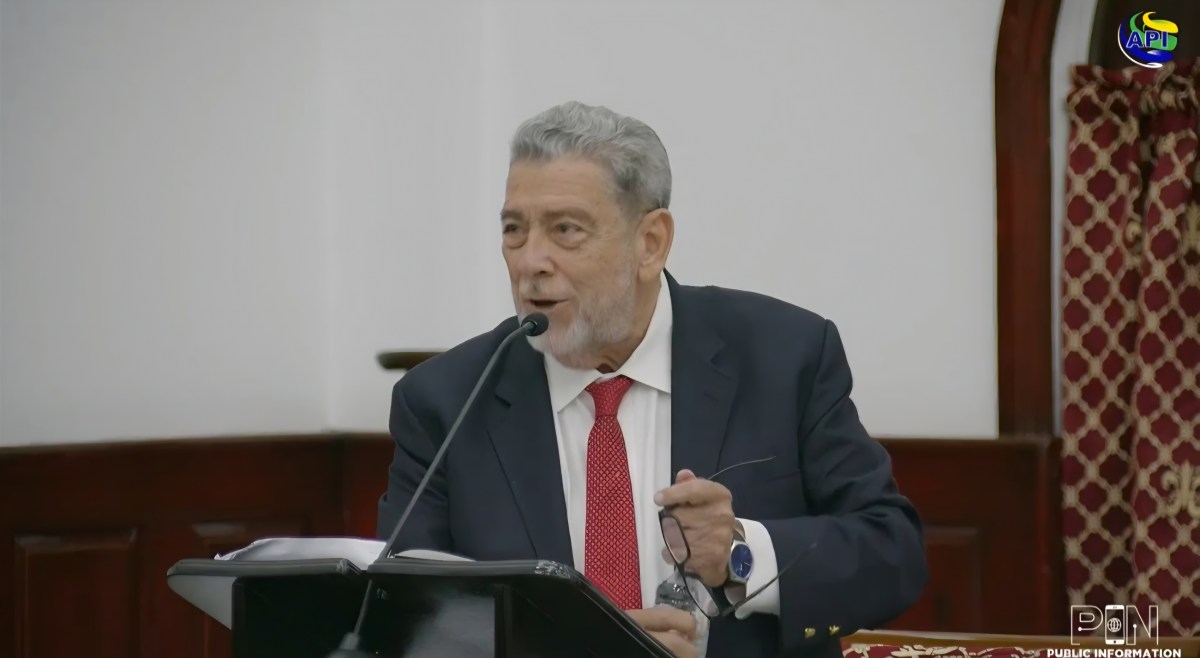
Opposition Leader Ralph Gonsalves said the legislation formalises a practice that has existed for more than two decades but argued that the opportunity should be used to strengthen protections for workers.
“This bill does two things. In one respect, it codifies existing practice of 25 years or more. And secondly, in this bill, in some respects, it improves on existing practice. In some other respects, it’s worse,” Gonsalves said during the debate.
Gonsalves said compassionate gratuity had historically been granted to non-pensionable workers through an administrative process and argued that codifying the practice into law should also include improvements to existing arrangements.
He raised concerns about the requirement for workers to have at least seven years of service to qualify for the benefit, suggesting that consideration should be given to employees who may have accumulated years of service over different periods within Government.
“I would have preferred that the formulation, the words would have been, make it more explicit that you could put all those things in the aggregate to come up to the number of years,” Gonsalves said.
The Opposition Leader also questioned a provision allowing compassionate gratuity to be reduced or withheld where an eligible officer is found to have committed negligence, irregularity or misconduct.
He argued that the legislation should provide an avenue for workers to challenge such decisions.
“The minister, any minister, could say that you ain’t getting it because you’re guilty of negligence, you’re guilty of misconduct or irregularity,” Gonsalves said, while stressing the need for safeguards against possible misuse of the provision.
Opposition Senator Keisal Peters also supported the legislation but highlighted concerns about the level of discretion provided under the bill.
Peters argued that while the legislation recognises the service of non-pensionable workers, employees should have access to a clear process if they believe a decision affecting their gratuity is unfair.
“Without those safeguards this issue can be open to abuse,” Peters said.
She also pointed to the need for a formal appeals mechanism, particularly in cases where a worker or beneficiary disputes the amount awarded or believes a gratuity has been unfairly reduced or withheld.
Opposition Member of Parliament Carlos James said the bill represents progress because it places into law a practice that had already existed, while acknowledging amendments made during the Select Committee stage.
“It is now institutionalised what in fact we have been doing in practice and it is a good bill,” James said.
James highlighted several changes made during the committee process, including clearer definitions for daily paid officers and minor salaried officers, clarification of eligible officers, and provisions allowing workers to name designated beneficiaries.
He said the beneficiary provision was particularly important because it could prevent families from facing additional legal processes when seeking access to gratuity payments after the death of an employee.
James, however, said the legislation should include a formal appeals process for disputes involving gratuity decisions.
He explained that without such a mechanism, workers or beneficiaries may have to seek legal assistance through the courts, which could become financially burdensome.
“If I’m to challenge that, there’s no appeal process within this piece of legislation,” James said.
He added that the cost of legal action could outweigh the amount being disputed in some cases.
“In some instances, the sum that we are challenging might be $5,000, it might be $10,000, it might be $500,” James said, arguing that workers should have access to an administrative process to resolve such disputes.
James said the bill was moving in the right direction but urged lawmakers to ensure that it provides comprehensive protection for the very workers it seeks to assist.
“When we’re starting by creating a bill to protect workers’ rights, we have to start on the right footing,” he said.
The Government has maintained that the legislation will provide greater certainty for eligible daily paid and minor salaried officers by creating a legal framework for compassionate gratuity payments that were previously handled through administrative approval.
The bill now establishes a formal system for eligible non-pensionable public workers to receive gratuity upon retirement or in circumstances outlined under the legislation, while Opposition members have called for further amendments to strengthen worker protections.
END