


By S.Browne. Updated 10:30 a.m., Tuesday, August 4, 2026, Atlantic Standard Time (GMT-4).
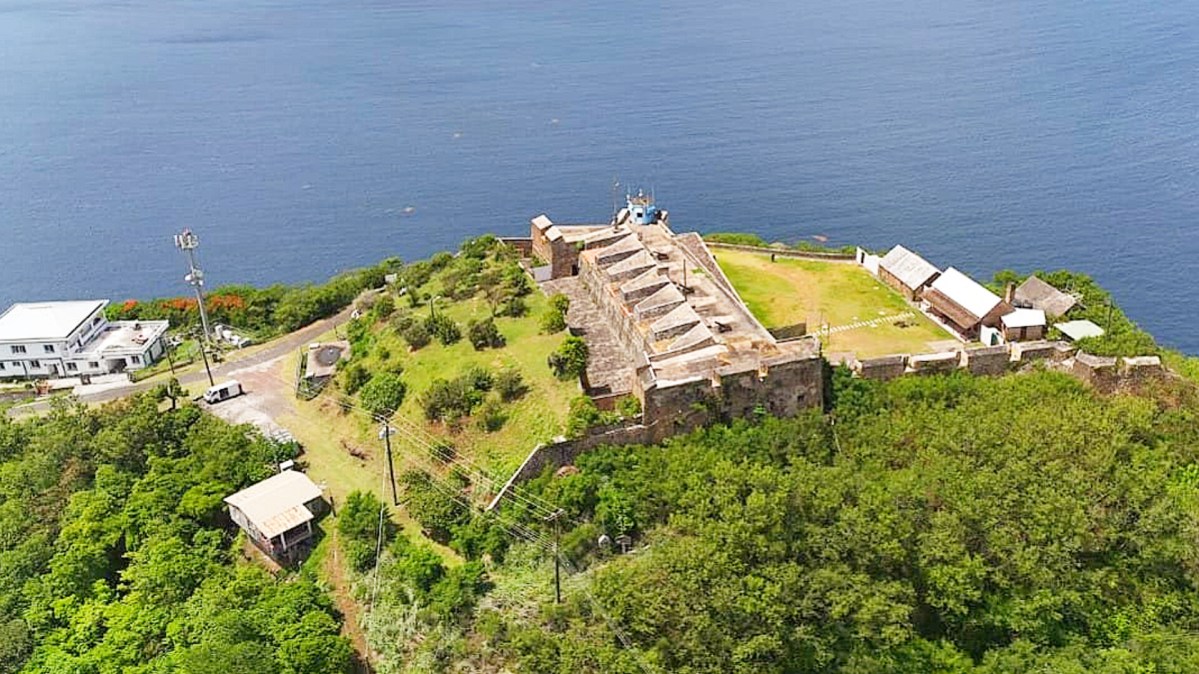
Rehabilitation works at the historic Fort Charlotte are expected to restart in early September, marking the resumption of a major heritage restoration project that was paused after funding under an earlier World Bank-supported programme came to an end.
The Government of St. Vincent and the Grenadines announced the latest phase of the project during a community consultation held on July 29 at the Catholic Pastoral Centre under the World Bank-funded Unleashing the Blue Economy of the Caribbean (UBEC) Project.
Fort Charlotte’s restoration originally began under the OECS Regional Tourism Competitiveness Project but was halted in May 2024 when funding for that programme concluded. The remaining works are now being financed through the UBEC Project, according to World Bank project documents.
According to information released by the UBEC Project, the rehabilitation is intended to preserve the centuries-old fort’s historical and cultural significance while improving the visitor experience through carefully planned upgrades that respect the site’s heritage.
Environmental Specialist with the UBEC Project, Dr Clint Lewis, said the rehabilitation forms part of Component Two of the regional UBEC Programme, which focuses on access to finance and infrastructure investments.
Lewis said the project has been designed to preserve Fort Charlotte’s historical and cultural significance while enhancing its appeal as a tourism attraction.
Representing the supervising consultants, Luigi Salemi of Politecnica said the project has two principal objectives: preserving the structural integrity of the historic fort and improving its functionality as a heritage tourism attraction.
“The intent is not to modify the fort in any way, but to preserve it so that it remains for many more centuries while creating spaces that enhance the visitor experience without compromising its historical authenticity,” Salemi said.
Salemi said significant structural restoration has already been completed to stabilise damaged masonry, remove inappropriate cement repairs from previous decades and replace them with traditional lime-based materials that allow the historic stonework to breathe.
He added that the remaining works will focus on protecting the walls from further weather damage and installing interpretive displays highlighting the history, culture and geology of St. Vincent and the Grenadines.
Quantity Surveyor and Environmental Manager with O. B. Sadoo Engineering Services Ltd., Kelene Frederick, said the contractor will first reassess the site and update its work programme before construction resumes.
Frederick said restoration work, including sandblasting, power washing and the application of biocides to protect the historic masonry, had already been undertaken before the project was paused. Because of the time that has elapsed since works were suspended, those conservation measures will need to be revisited before construction recommences.
She also confirmed that work on the restroom facilities has been substantially completed, with only minor finishing items remaining.
Chairman of the St. Vincent and the Grenadines National Trust, Fitzgerald Providence, welcomed the recommencement of the rehabilitation works, saying the Trust supports restoration projects that protect the country’s cultural heritage while promoting sustainable development.
“The National Trust fully supports responsible restoration and development that protects the country’s cultural heritage,” Providence said.
Providence also stressed the importance of protecting artefacts and ensuring any archaeological discoveries made during construction are properly managed. He encouraged Vincentians to become members of the National Trust, noting that public support is essential to preserving the nation’s natural and cultural heritage.
Officials also outlined environmental and social safeguards that will guide the project, including measures to manage dust, noise, traffic, waste disposal, worker safety, community access and the protection of archaeological and historical resources throughout construction.
Residents were reminded that the UBEC Project’s Grievance Redress Mechanism remains available to receive complaints, suggestions and feedback during every stage of implementation.
END

Related News
BREAKING: Man Shot Dead in Dickson
SVG Authorities Yet to Comment on Alleged Detention of Grenadian Vessel and Cargo
SVGCC lecturer dies in tragic road accident